An open-source robotics stack learns to work with AI agents, a humanoid finally gets a real training floor inside a car plant, and the industry gets its first honest count of how many humanoids have actually shipped. Three signals on how close physical AI really is to deployment.
Here’s a weekly scan of what moved in Physical AI and robotics, and what it means for the data behind it.
NVIDIA launches Isaac ROS 5.0, bringing agentic workflows to open-source robotics
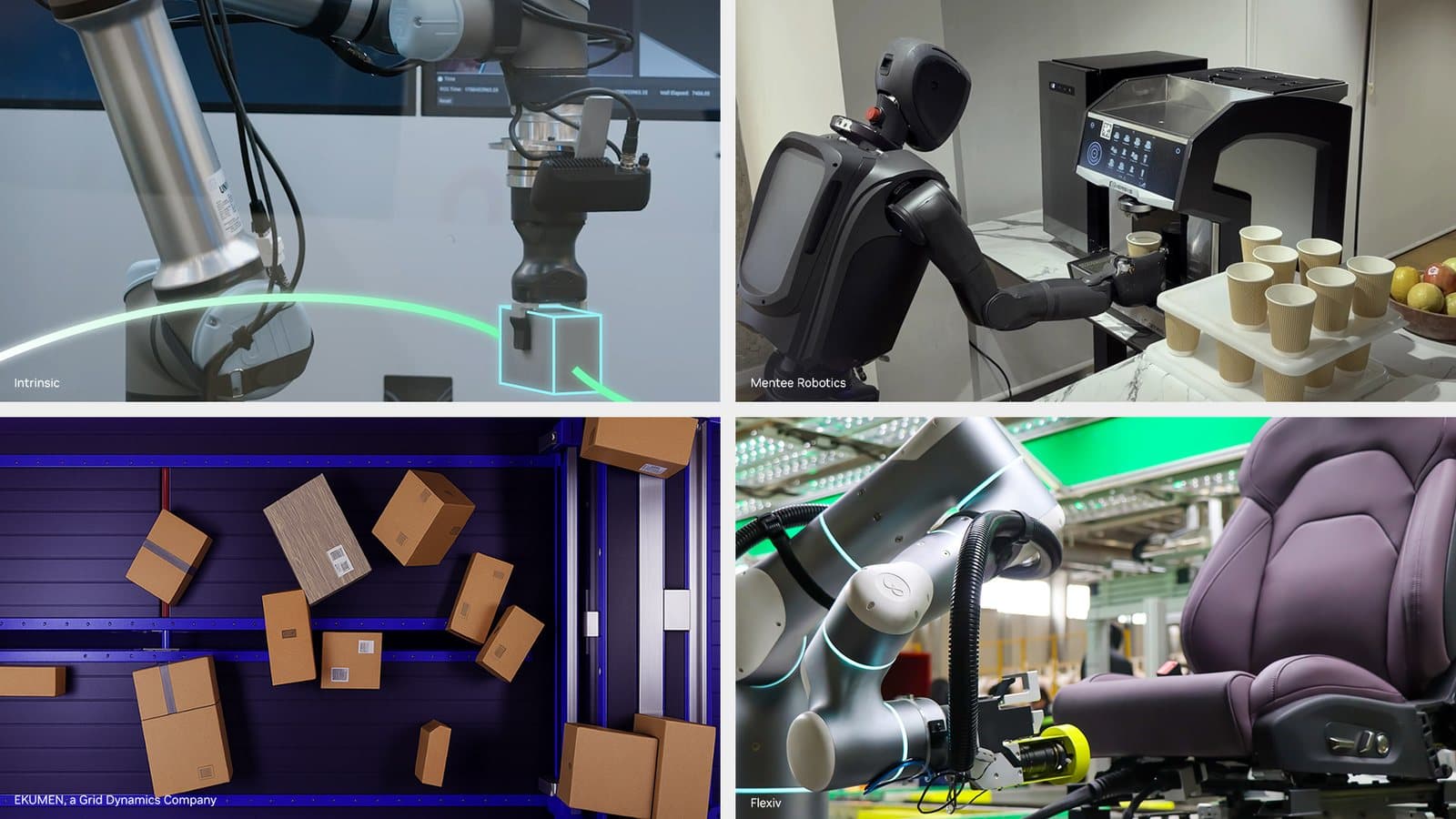
On September 22, NVIDIA released Isaac ROS 5.0 at ROSCon in Toronto, adding AI agent capabilities to the widely used ROS robotics framework. The release brings reusable “skills” for setup, manipulation, and stereo perception fine-tuning, agent-ready documentation, and support for ROS Lyrical and Ubuntu 24.04. It also expands hardware support from the entry-level Jetson Orin Nano up to Jetson Thor, and ships with an ecosystem of partner integrations (RealSense, Intrinsic, Magna, Flexiv, and others) already building on it.
ROS underpins a huge share of robotics development, so tools that let AI agents write, adapt, and deploy robot software faster could meaningfully shrink the gap between a research prototype and a working robot. Skills like stereo fine-tuning and pick-and-place point at a future where a robot’s perception stack is tuned per deployment rather than shipped as one generic model.
An agent that can fine-tune a perception model is still only as good as the data it fine-tunes on. Faster tooling doesn’t remove the need for well-labeled, environment-specific training data; if anything, it raises the number of models that will need it.
Agentic dev tools speed up how fast a model gets built. They don’t change what the model needs to learn from, and that’s still real, annotated data from the environment the robot will actually work in.
Boston Dynamics opens a dedicated Atlas training floor inside Hyundai’s Metaplant
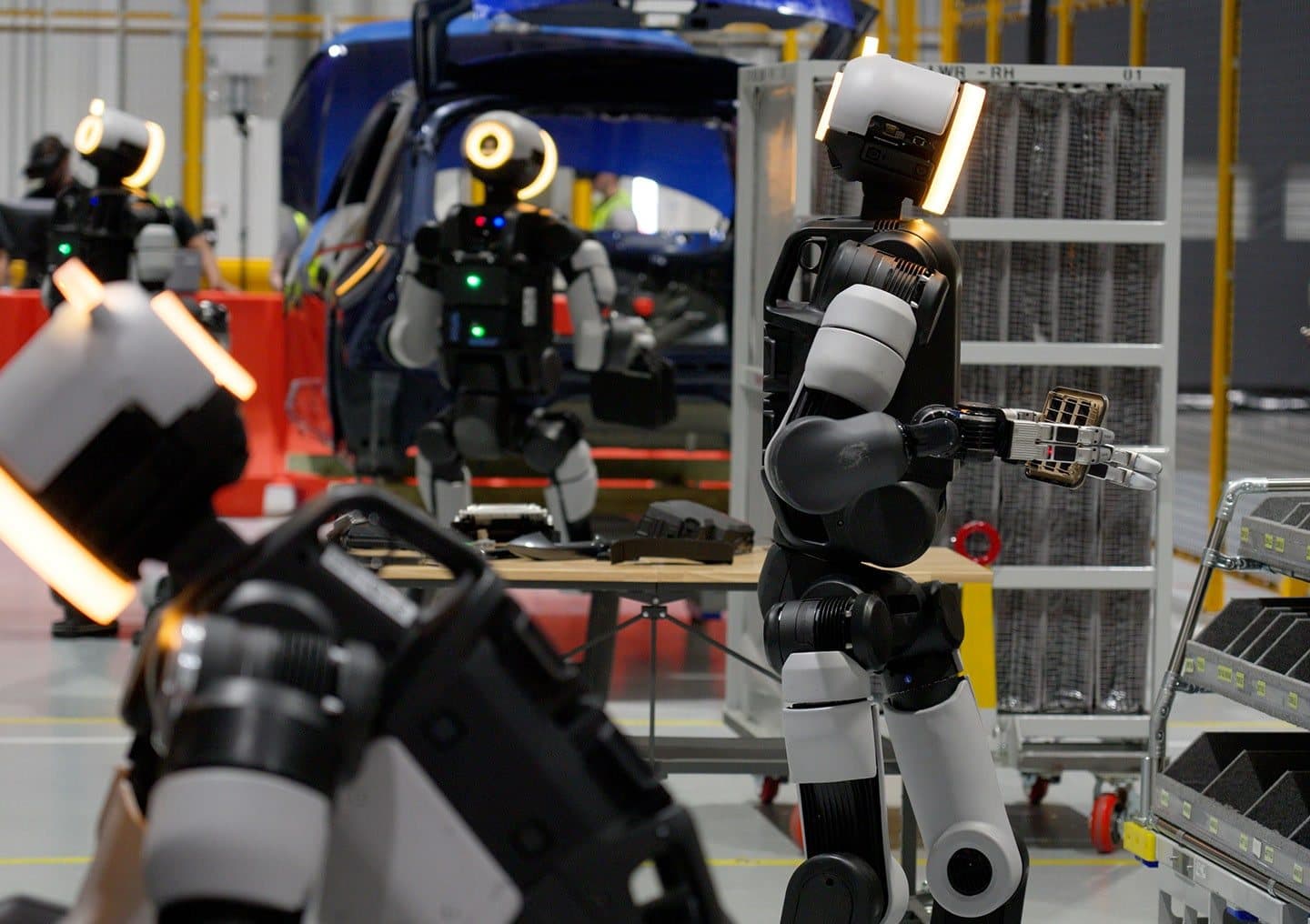
On September 21, Boston Dynamics opened the Robotics Metaplant Application Center (RMAC) inside Hyundai Motor Group’s Metaplant America campus near Savannah, Georgia. Atlas robots are now training on real automotive tasks like parts sequencing ahead of assembly, with component assembly planned by 2030. Hyundai Motor Group plans to deploy 25,000 Atlas units across its global plants and is building a U.S. facility to produce 30,000 robots a year. RMAC itself is set to grow to roughly ten times its current size in 2027.
Most humanoid announcements are still demos. RMAC is a dedicated, on-site training facility built around one manufacturer’s real production tasks, which is a meaningfully different commitment than a pilot in a lab. The scale of Hyundai’s stated deployment plans also signals that at least one major manufacturer is treating humanoid labor as a near-term production input, not a long-term bet.
Training on-site at one plant is a long way from 25,000 units working reliably across a global network. The jump from “robots in training” to “robots on the line, unsupervised” is where most humanoid programs have stalled so far.
A dedicated training floor inside a real factory is exactly where the gap between demo and deployment gets closed. Every task Atlas learns at RMAC is only as transferable as the data captured while it learns it, which is what determines whether it generalizes past that one plant.
IFR’s first humanoid count: just 7,000 units sold worldwide in 2025
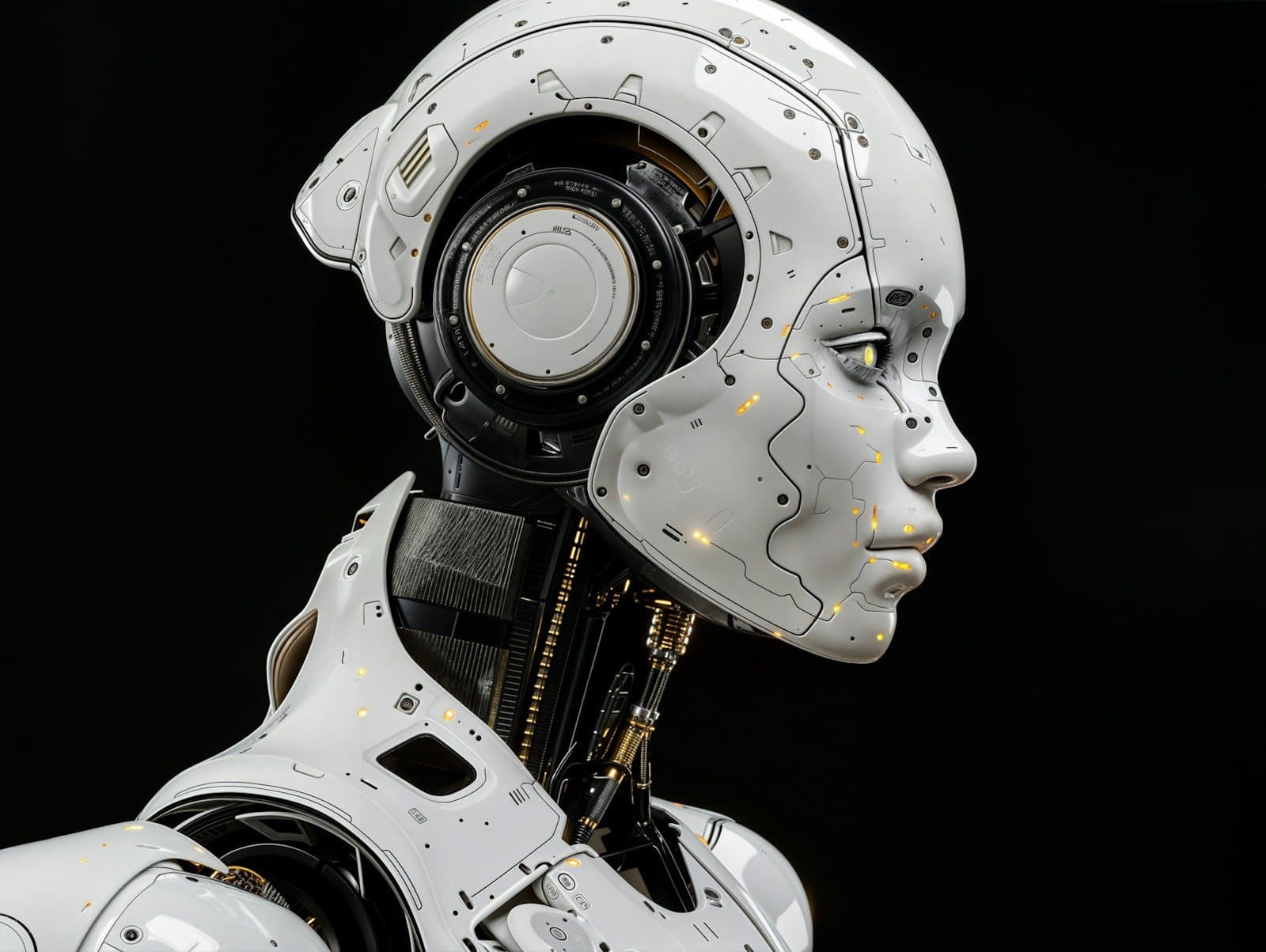
The International Federation of Robotics published its first-ever humanoid robot count, tallying around 7,000 units sold globally in 2025 for industrial and professional service use. That’s a fraction of the 542,000 conventional industrial robots installed in 2024. IFR secretary general Susanne Bieller said many of the humanoids sold weren’t doing productive work at all: they went to research institutions and companies collecting data to improve AI models. At Unitree, roughly 75% of humanoids sold went to universities, research labs, and individual developers rather than factories.
This is the first industry-wide reality check on humanoid adoption, and it cuts against the narrative of an already-booming market. It also confirms something the industry has hinted at but rarely stated plainly: right now, humanoids are being bought largely as data-collection tools, not workers.
Bank of America forecasts roughly 90,000 humanoid shipments in 2026. Whether that jump happens, and whether the robots sold are actually deployed for work rather than research, is the number to track next.
If most humanoids sold today exist to generate training data rather than do a job, the data pipeline behind them isn’t a side concern, it’s the actual product most buyers are paying for right now.

Cindy writes about Physical AI, robotics, and the human data that teaches models to perceive and act, for Labelix.ai, an independent data foundry for robotics and multimodal AI.
The Data Brief
Get the Radar in your inbox, one sharp read a week on Physical AI and the data behind it.