When it comes to robot training data by environment, there is no one-size-fits-all answer. A warehouse robot, manufacturing robot, and home robot may all rely on vision, movement, and manipulation, but the data they need to perform reliably can look very different.
A warehouse robot needs data covering navigation, similar-looking inventory, and picking. A manufacturing robot may need more precision and contact-force data. A home robot has to handle clutter, unpredictable layouts, people, pets, and everyday objects.
As explained in one of our previous blogs, diversity matters. But what you need diversity in depends on where the robot works.
In this article, we’ll break down the data requirements for warehouse, manufacturing, and home robots, including the sensors, tasks, and edge cases teams should consider when building a training dataset.
- What warehouse robots need: navigation, similar-looking inventory, and grasping
- What manufacturing robots need: precision, contact, and tactile data
- What home robots need: clutter, fragile objects, and privacy limits
- What stays the same, no matter the environment
- How to scope data requirements for your own deployment
What Data Does a Warehouse Robot Need?
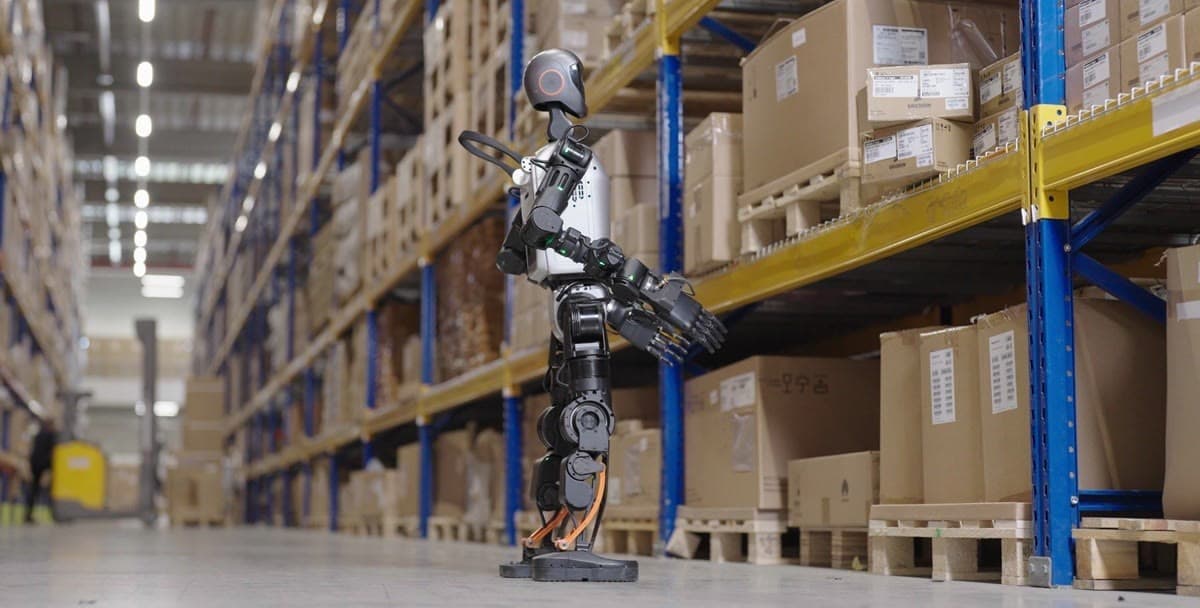
Warehouses look relatively predictable from a robot’s perspective. Aisles, shelving, conveyors, loading areas, and designated work zones tend to follow repeatable patterns.
But that doesn’t mean the data problem is simple.
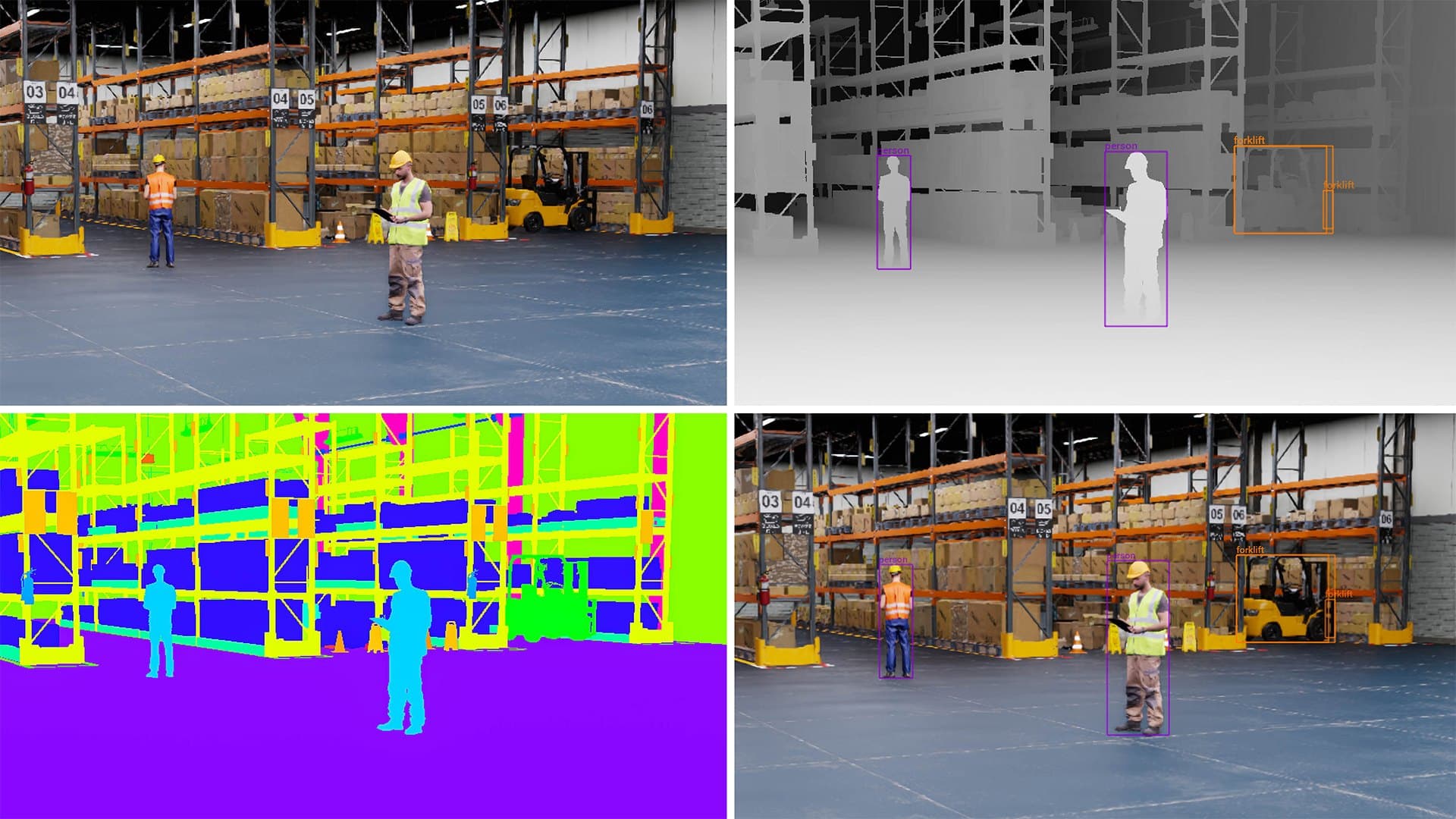
One major challenge is the combination of structured environments and visually similar objects. A warehouse might contain thousands of boxes that differ only by a barcode, label, color variation, or packaging detail.
Training data therefore needs enough examples for the robot to distinguish between objects that are physically similar but operationally different.
There are also two related but distinct data requirements:
- Mobile navigation data: Sensor sequences showing how the robot moves through aisles, around people and other machines, approaches workstations, and handles changing obstacles.
- Manipulator or arm training data: Demonstrations showing how a robotics manipulator approaches, grasps, lifts, places, and releases objects.
These datasets overlap, but they shouldn’t automatically be treated as the same problem. Navigation is concerned with movement through space. Manipulation is concerned with interaction with objects.
Lighting is another important source of variation. Reflective floors, shadows, inconsistent overhead lighting, transparent packaging, and glare can all change what cameras and depth sensors perceive.
Symbotic is one example, combining autonomous robots, robotic arms, and AI software to automate inventory handling across warehouses. Its systems handle goods with different sizes, shapes, weights, and packaging, highlighting why warehouse datasets need both navigation and manipulation coverage.
The takeaway: warehouse robot training data needs strong coverage of navigation, object identity, grasping, and operational variation within a relatively structured physical world.
What Data Does a Manufacturing Robot Need?
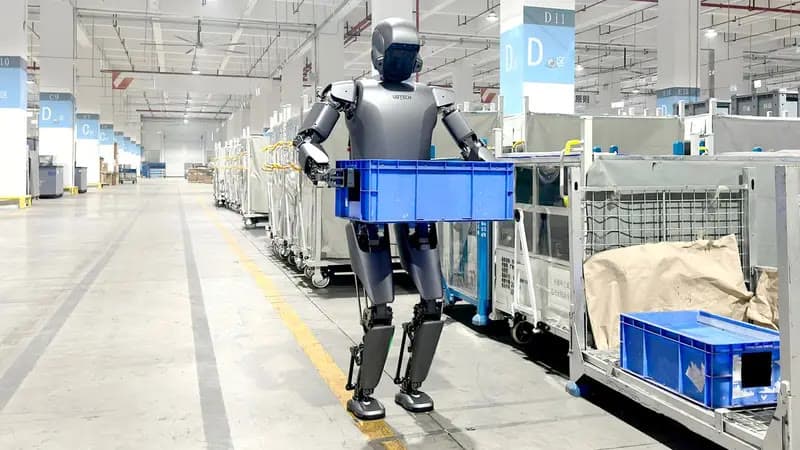
Manufacturing environments can be highly repeatable. A robot may perform the same operation hundreds or thousands of times.
But repeatability raises the bar for precision.
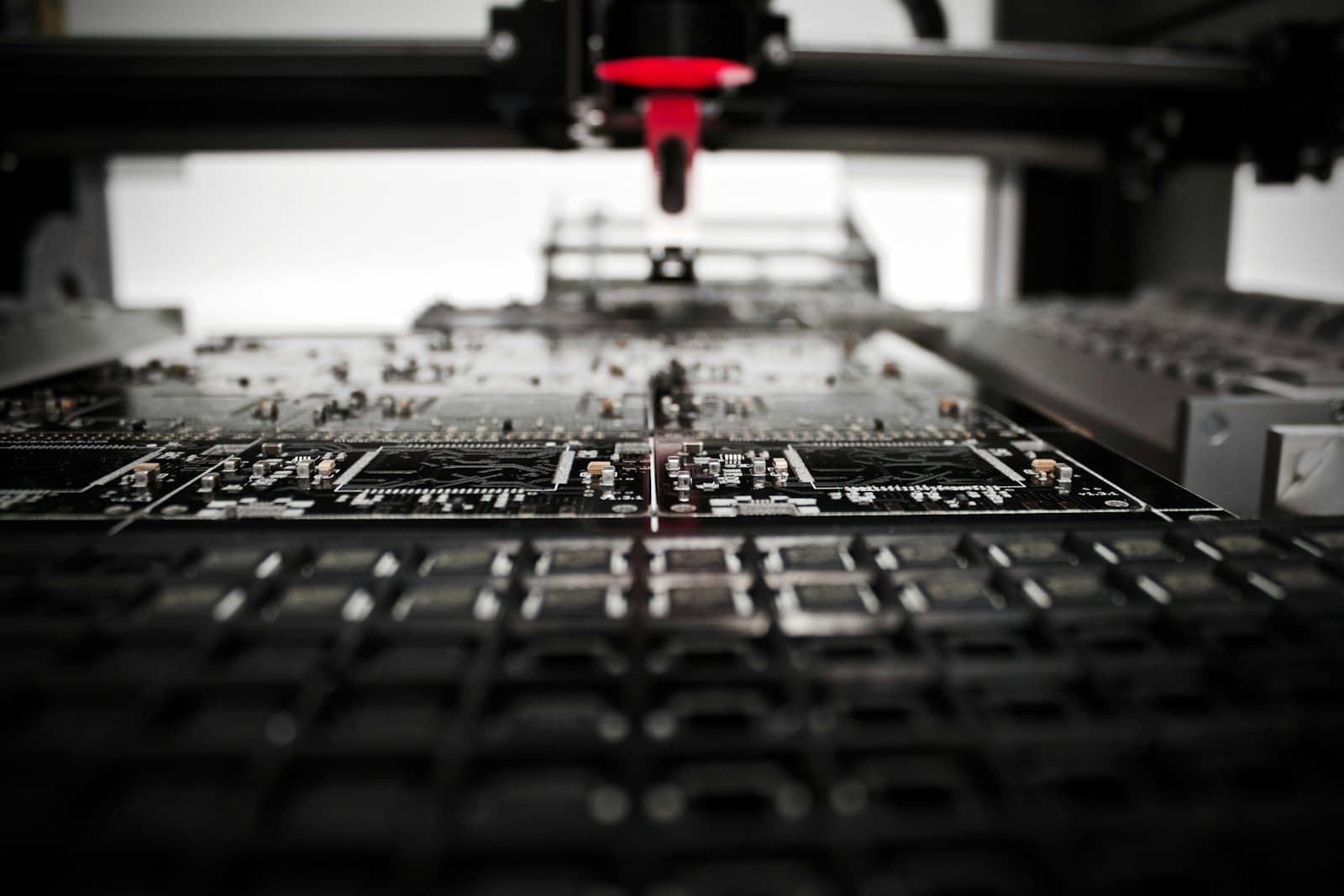
A warehouse robot might only need to place a tote in the right general location. A manufacturing robot inserting a component may need to position it within a very narrow tolerance and respond correctly when physical contact changes. That’s where force and tactile data become particularly valuable.
Vision can tell a robot where an object appears to be. It doesn’t always tell the robot whether a part has seated correctly, whether an insertion is encountering resistance, or how much force should be applied during contact.
For assembly and insertion tasks, teams may therefore need data that combines:
- RGB or other visual observations
- Depth and spatial information
- Joint positions and robot state
- End-effector actions
- Contact-force measurements
- Tactile signals
- Successful and failed task trajectories
This makes manufacturing robot training data less about simply recognizing more objects and more about learning precise physical interactions.
BMW’s work with Figure AI provides a real-world example of Physical AI. During its Spartanburg pilot, the Figure 02 robot handled precise sheet-metal positioning for welding, a task demanding high speed and accuracy. Following this success, BMW expanded its operations by deploying the next-generation Figure 03 robot to tackle complex part-sequencing tasks in production logistics.
The takeaway: the closer a robot gets to physical contact, the less comfortable you should be treating vision as the entire data strategy.
What Data Does a Home Robot Need?
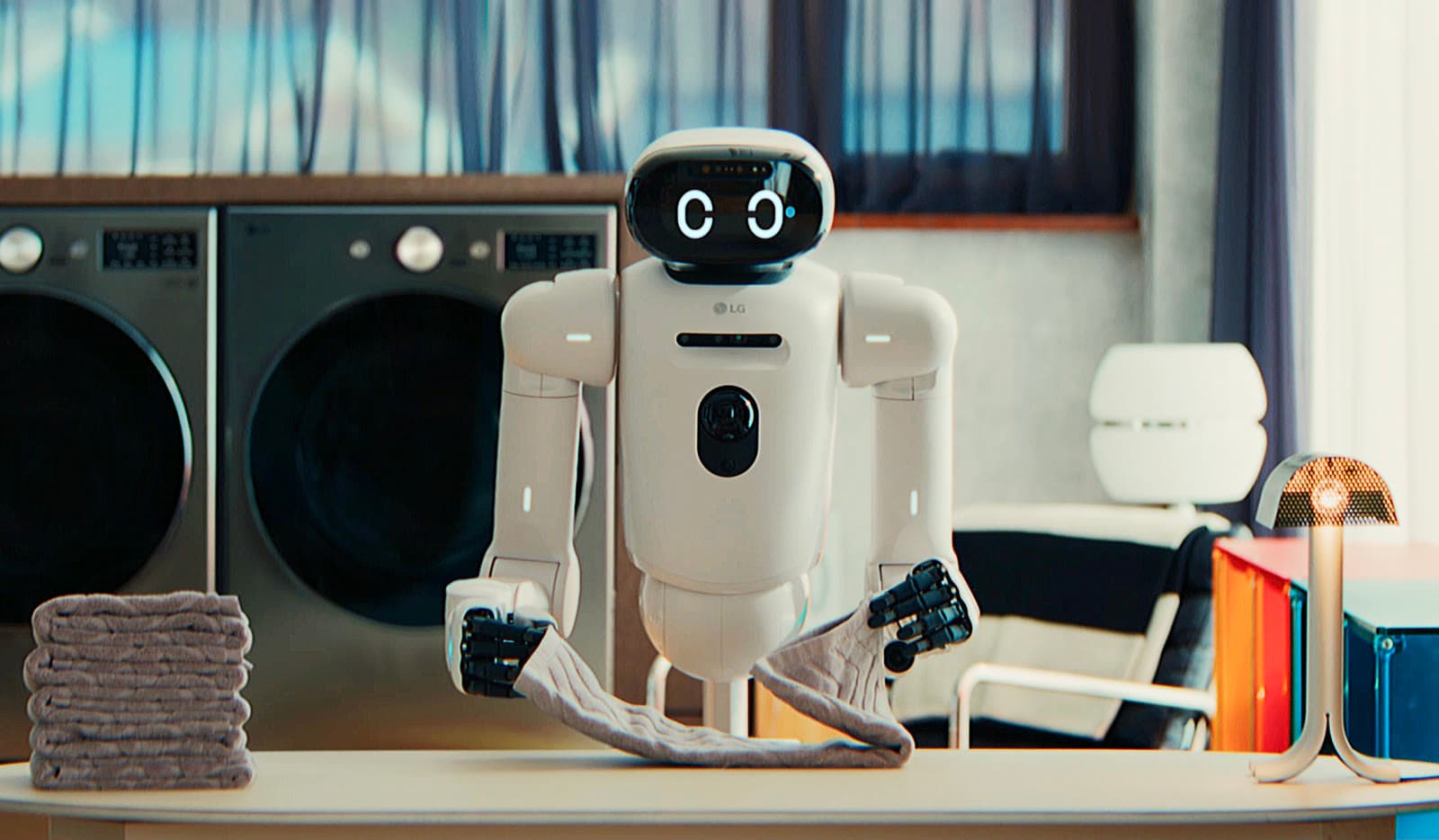
Home robot training data has to account for far more variability than a typical industrial setting. Furniture, room layouts, clutter, and everyday objects can differ dramatically from one home to another, while people and pets can move unpredictably through the environment.
That means datasets need examples of soft and fragile objects, transparent surfaces, small spills, cluttered spaces, pets, and unexpected human movement. Robots also need data that captures both navigation and manipulation, since a domestic robot may need to move through a room and then pick up, move, or interact with an object.
Privacy adds another challenge. Unlike warehouse or factory data, home data can contain sensitive information about people and their surroundings, making large-scale collection more difficult. Teams may need to rely on consent-based collection, controlled or dressed environments, and carefully governed real-world deployments.
1X is one example of a company working toward this setting with NEO, a humanoid robot designed for household tasks. Its focus on real homes highlights the need for training data that reflects the unpredictability of everyday domestic environments.
For home robots, the goal isn’t simply more data. It’s representative data that captures how messy, variable, and unpredictable a real home can be.
The takeaway: Home robots need data that reflects everyday unpredictability, from clutter and fragile objects to people and pets, while privacy constraints make that data harder to collect at scale.
What Stays the Same, No Matter the Environment?
The content of the dataset changes with the deployment context but the underlying discipline doesn’t. Every environment still needs data that’s captured, labeled, and structured in a way models can actually learn from; that foundation is what makes environment-specific data usable in the first place, not a substitute for it.
Knowing your deployment environment tells you what to collect. Turning that material into training-ready data is a separate problem, one we’ve covered in more depth elsewhere.
How Should a Team Scope Data Requirements for Their Environment?
Before commissioning a dataset, robotics teams should answer a few practical questions:
What object variety actually exists here?
List not just object categories, but the visual and physical differences that could affect perception or manipulation.
Is the core problem navigation, manipulation, or both?
An AMR and a mobile manipulator may operate in the same facility while requiring very different training data.
Which sensors matter most?
Vision may dominate a navigation task. Assembly and insertion may require force, tactile, proprioceptive, or contact data.
What are the realistic edge cases?
Think about the environment specifically. Warehouse glare is different from home clutter. Manufacturing misalignment is different from a pet crossing a robot’s path.
What limits data collection?
Consider privacy, facility access, safety requirements, operating hours, consent, and the ability to capture failures as well as successful demonstrations.
The goal isn’t to build the biggest dataset possible. It’s to build a dataset that covers the failure modes your robot is actually likely to encounter.
Scoping a dataset for a specific deployment?
What to collect depends on where the robot has to work, which sensors carry the task, and which failure modes it will actually meet. Labelix.ai helps robotics and Physical AI teams collect, organize, annotate, and quality-check that data.
Building Data for Where Your Robot Actually Works
Warehouse, manufacturing, and home robots don’t need identical datasets because they don’t face identical worlds.
Warehouse systems need strong coverage of navigation, visually similar inventory, grasping, and facility-level variation. Manufacturing systems need greater emphasis on precision, tolerances, contact, and repeatable manipulation. Home systems need broader coverage of clutter, object diversity, unpredictable people and pets, and unusual physical interactions.
Yet the foundation stays consistent: structured data, synchronized signals, and reliable annotation. That’s the distinction robotics teams should keep in mind when planning a data strategy.
Diversity only creates value when it matches the environment where the robot will operate. Collecting thousands of examples of warehouse shelves won’t solve a home robot’s problem with a transparent glass on a cluttered kitchen counter.
The mistake we see is teams treating “more data” as the goal instead of “the right data for where this thing actually has to work.”Rashid Arif, Co-founder, Labelix.ai
Building a robotics training pipeline for a specific deployment environment? Labelix.ai helps Physical AI teams collect, organize, annotate, and quality-check the data their models depend on, built around where the robot will actually work.
Get in touch with Labelix.ai or request a pilot.
FAQs
Does robot training data transfer between environments?
Some foundational skills can transfer, but environment-specific objects, layouts, sensors, and edge cases usually require additional data from the target environment.
What's different about home robot data vs. warehouse robot data?
Home data covers unstructured layouts, clutter, people, and privacy constraints. Warehouse data is typically higher-volume and more structured, with visually similar inventory.
Why can't robots use the same dataset everywhere?
Because datasets capture different kinds of variation. Warehouse data may cover SKUs and lighting, while home robots need clutter, soft objects, pets, and unpredictable movement.
What data matters most for manufacturing robots?
Precision, tolerance, contact-force, tactile, and robot-state data become especially important for assembly, insertion, and other contact-rich tasks.
How do privacy constraints affect home robot data collection?
Home data contains sensitive personal information, so it generally requires more deliberate collection, consent, governance, and controlled environments than industrial data.

Cindy writes about Physical AI, robotics, and the human data that teaches models to perceive and act, for Labelix.ai, an independent data foundry for robotics and multimodal AI.
Get the next one first
One sharp read a month on Physical AI and the data behind it.