
Cindy Dizon
Cindy writes about Physical AI, robotics, and the human data that teaches models to perceive and act, for Labelix.ai, an independent data foundry for robotics and multimodal AI.
28 articles, newest first
This Week in Robotics: Nov 2-8, 2026
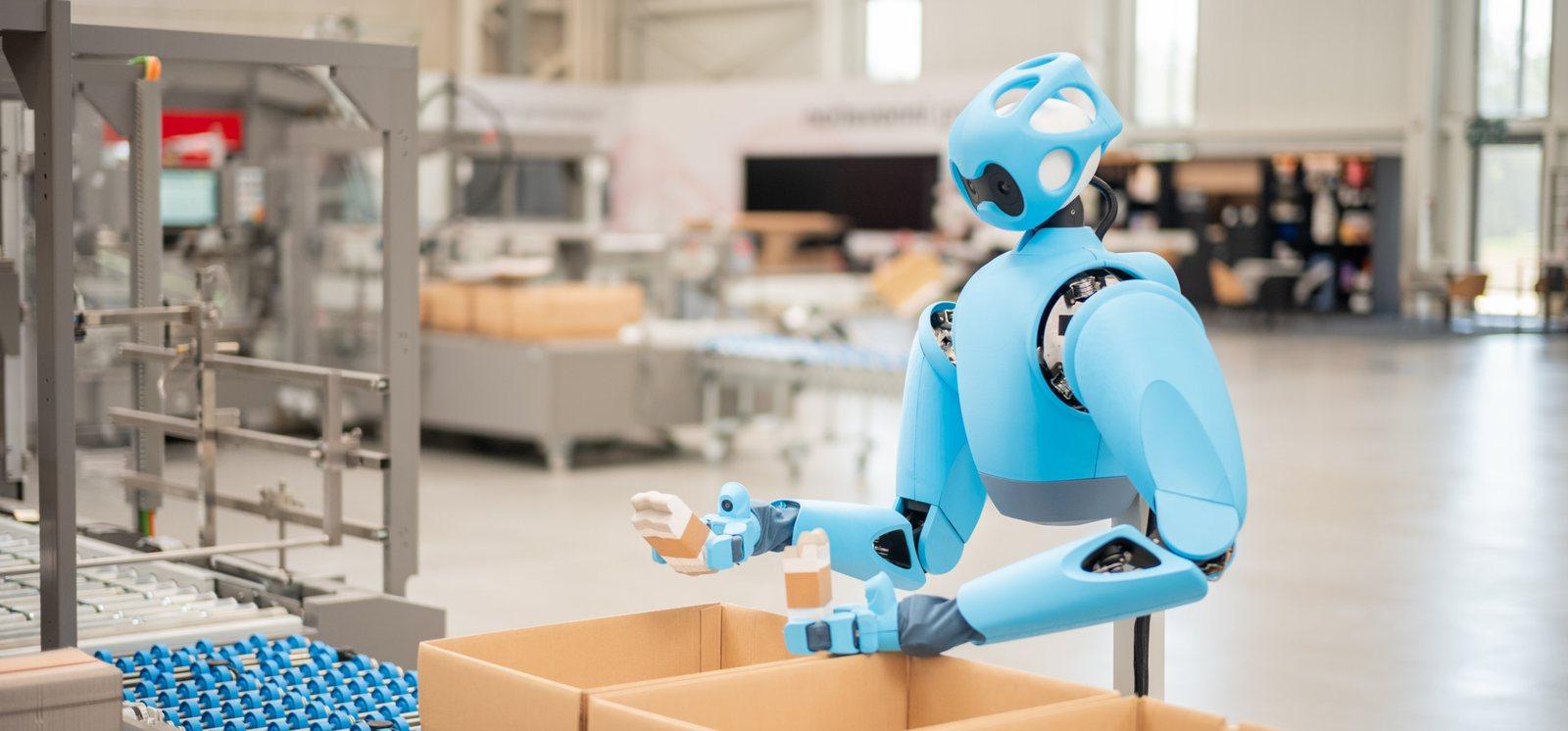
A humanoid that learns on the job from its operator, Xiaomi's eight-hour factory run, Apple training a humanoid mostly in simulation, and South Korea's national data factory for humanoids.
 Cindy DizonRead the article →
Vibe Robotics: Putting a Hotel Robot to Work, One Towel at a Time
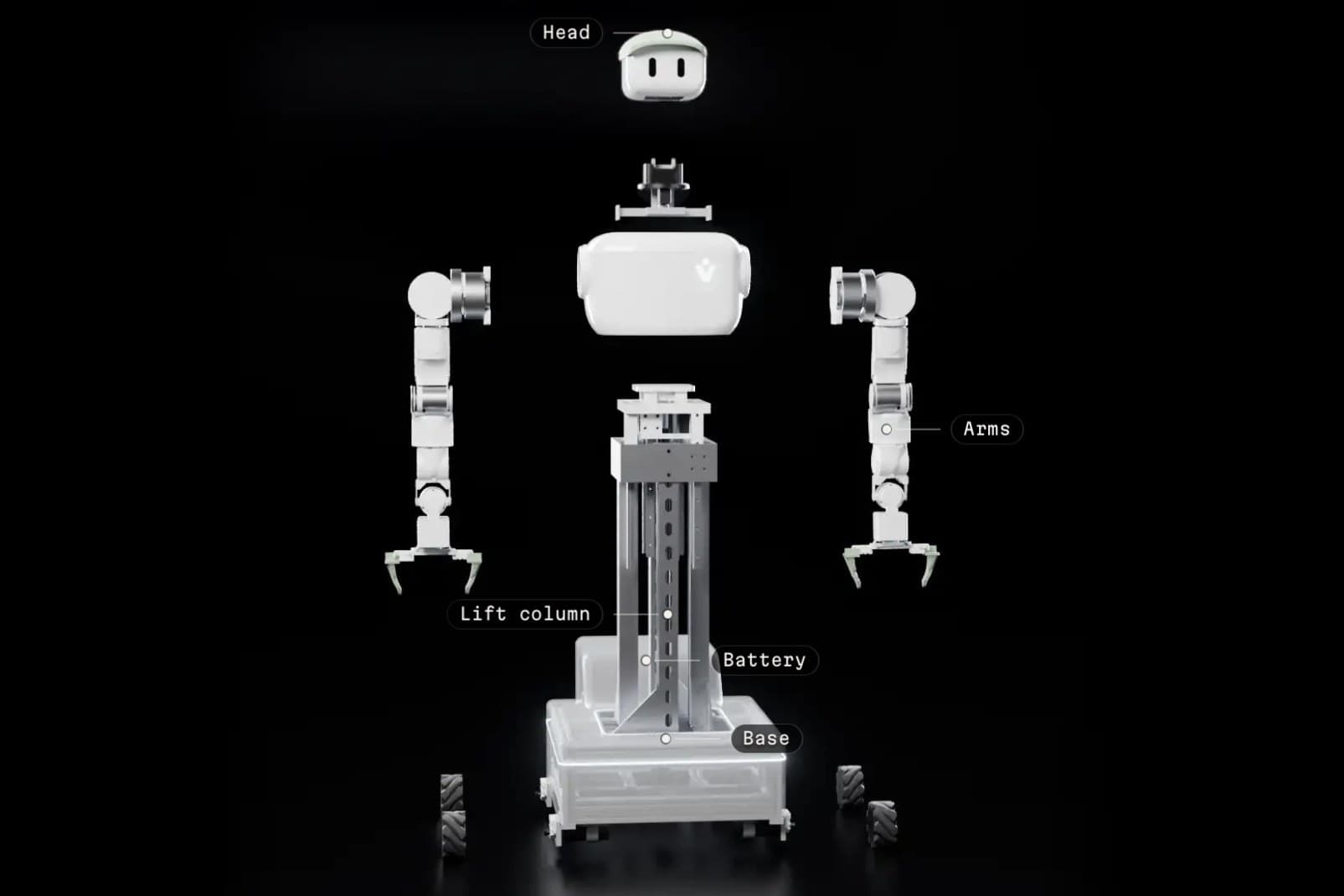
Vibe Robotics is building a wheeled, two-armed robot for hotel service work and proving it with a towel. Here's how Vibe 01 works, where the open-source Vibe A1 fits in, and why a folded towel is a harder test than it looks.
Cindy DizonRead the article →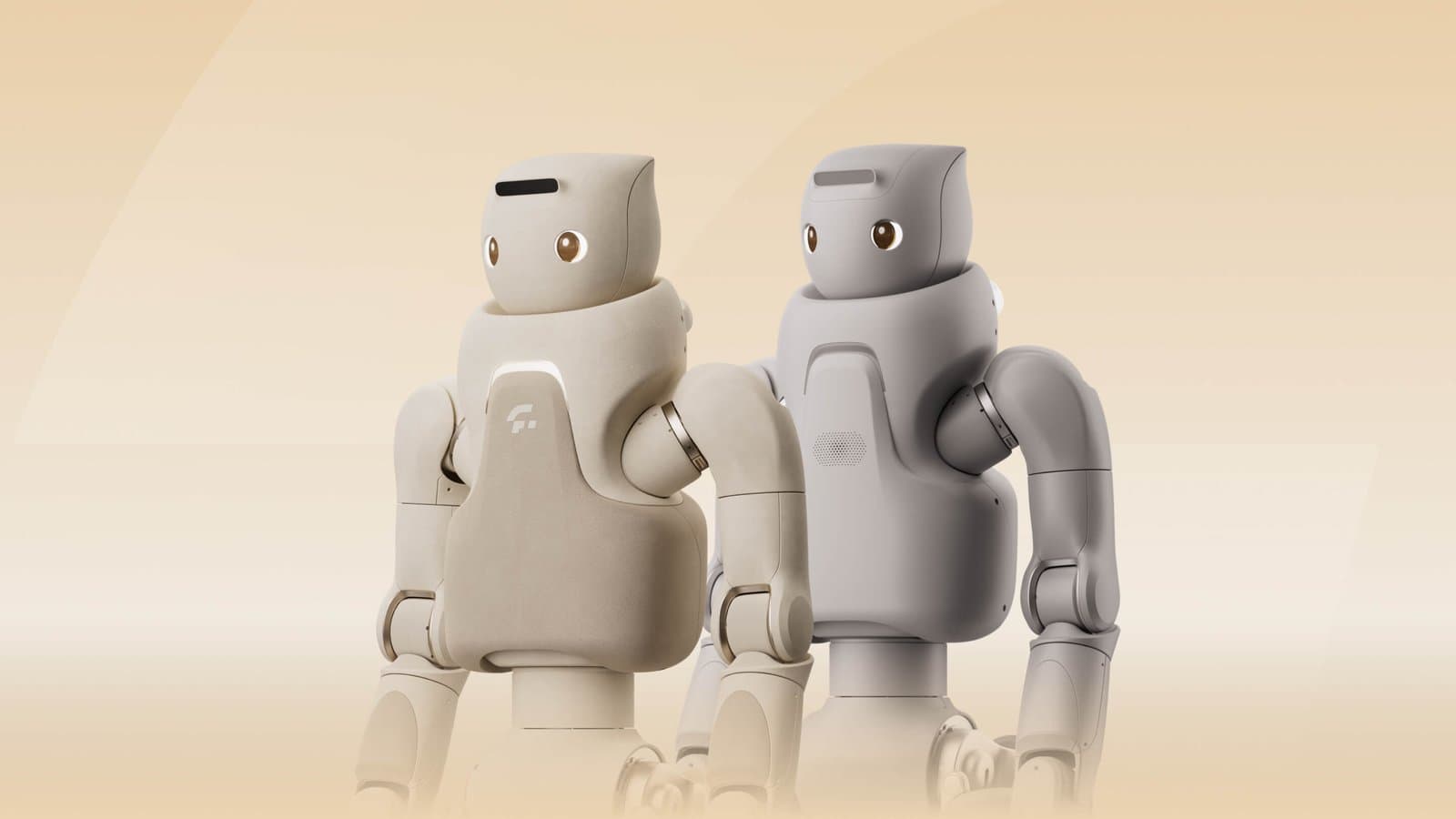
Meta's Humanoid Robot Max: What a Three-Month Build Means for Robot Training Data
Meta reportedly built a household humanoid prototype with Fourier in about three months. The faster a robot body comes together, the more its value rests on the data that teaches it how a home works.
Cindy DizonRead the article →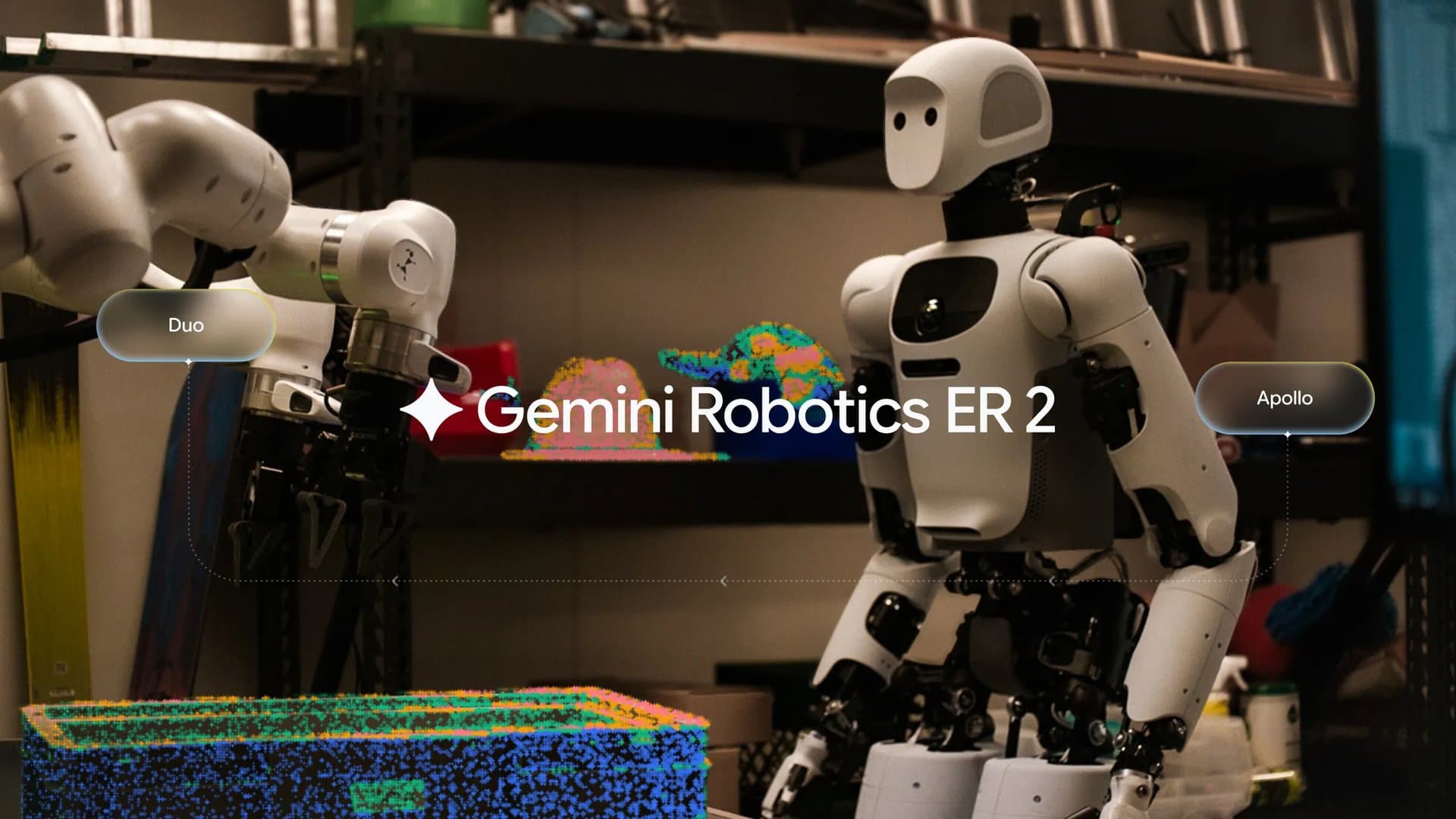
This Week in Robotics: Oct 26-Nov 1, 2026
Google's reasoning model checks whether a task step succeeded, Bleu Robotics wants to teach factory robots from a handful of demonstrations, ROKAE puts force-controlled arms on a real factory line, and a new surgical robot venture keeps the surgeon in control.
Cindy DizonRead the article →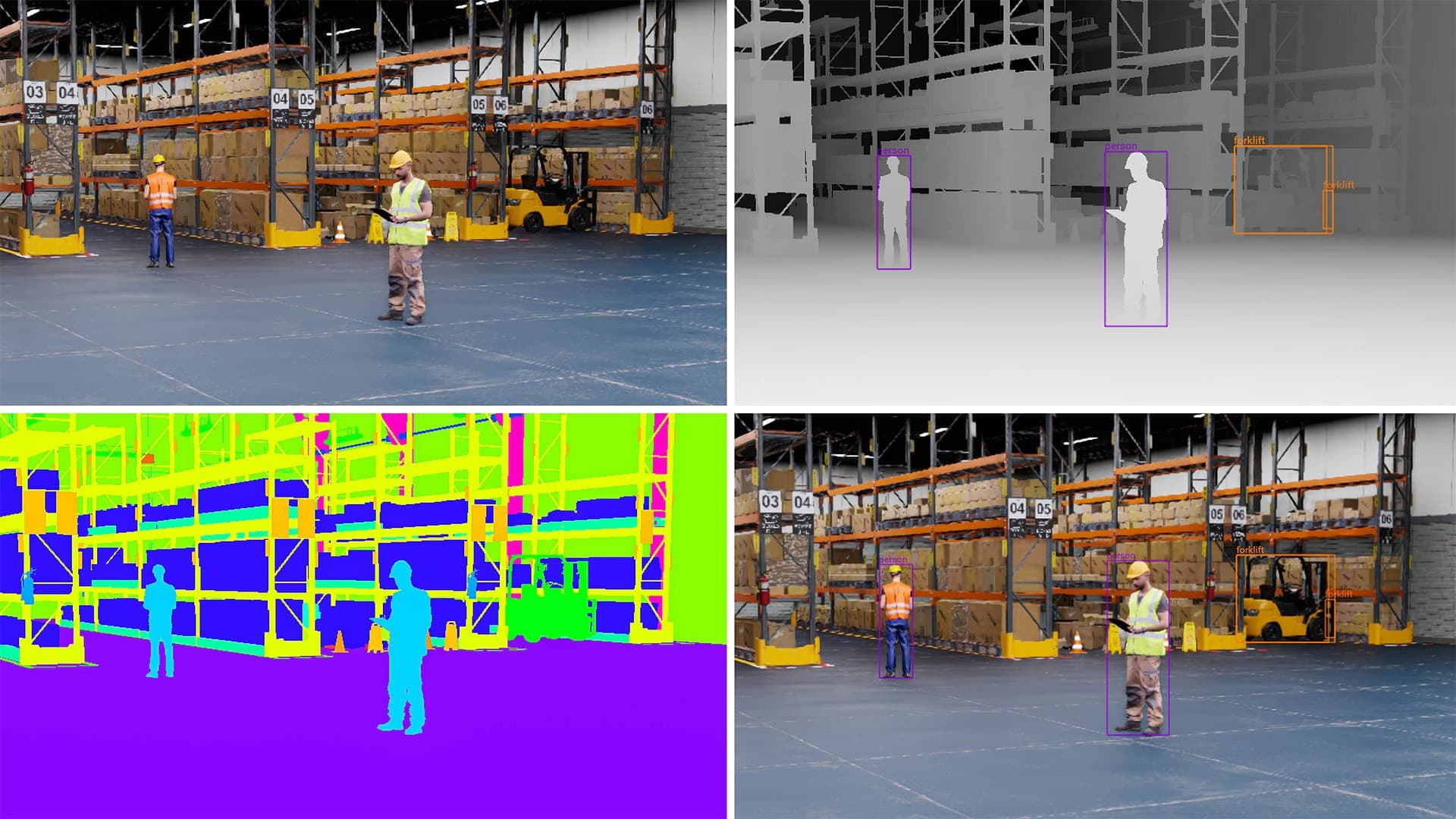
This Week in Robotics: Oct 19-25, 2026
Nvidia is releasing human activity data, OpenAI is stepping into hardware, Unitree is building a loop where AI refines its own robot code, and IDC shows humanoids moving from demos to real work.
Cindy DizonRead the article →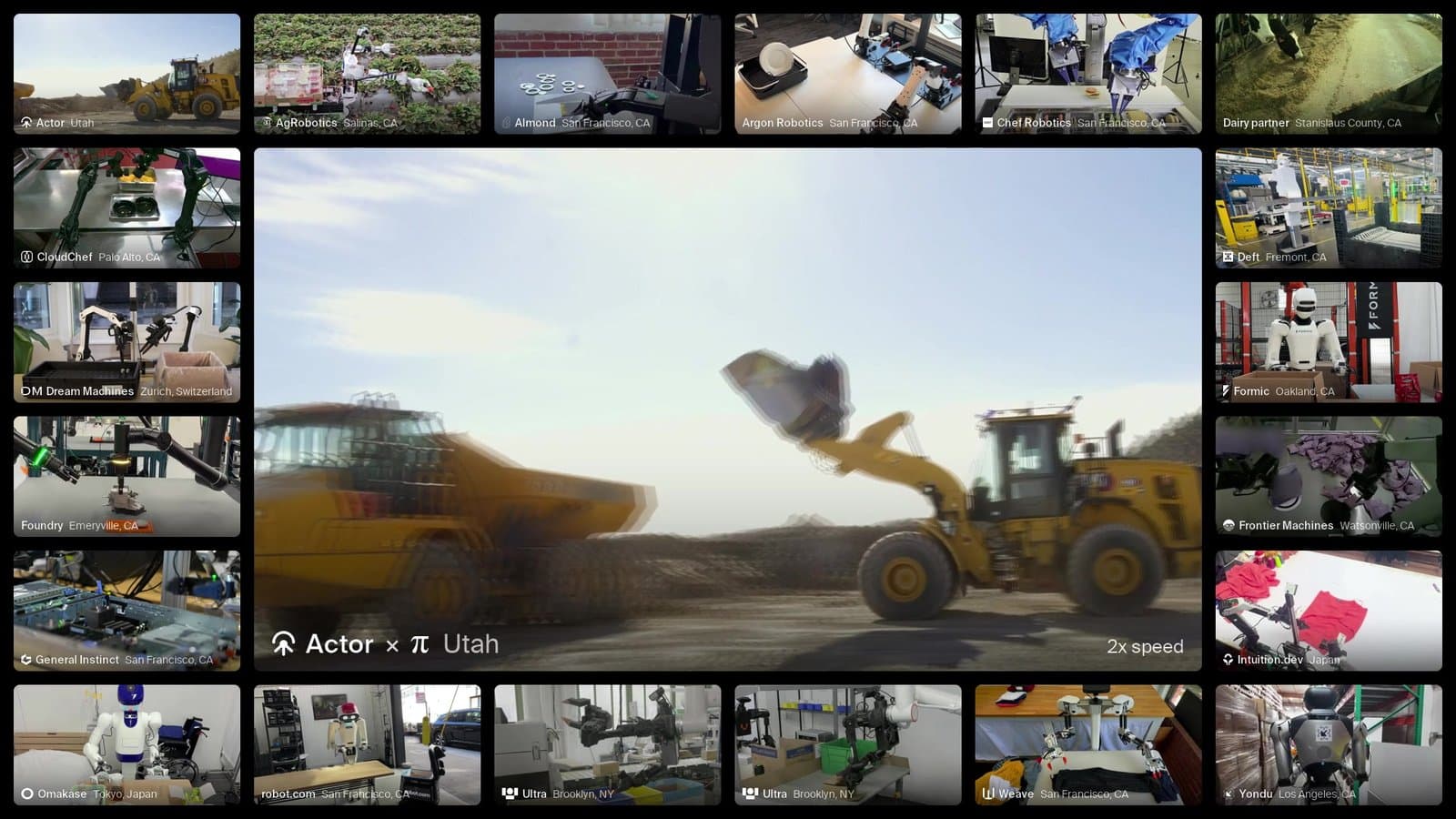
Pi's New Robot API: Failures Decide What Data Comes Next
Physical Intelligence's API beta takes over fine-tuning and inference. The more telling part is how its early partners improved their robots: by letting each failure decide what to record next.
Cindy DizonRead the article →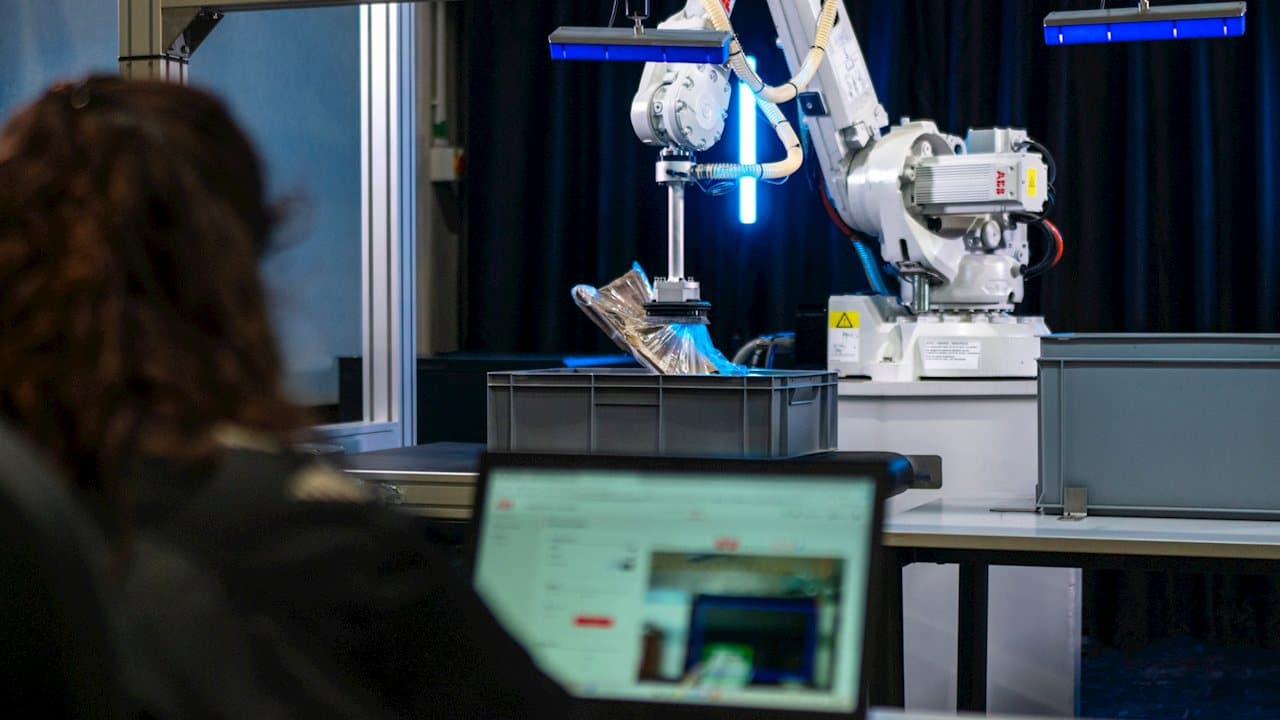
This Week in Robotics: Oct 12-18, 2026
Germany is reportedly preparing a major state-backed Nvidia partnership, ABB is closing the loop on its fashion-logistics robots, NEURA is giving robots memory, and Hong Kong is building a place to test them all.
Cindy DizonRead the article →
Robot Benchmark Design: How to Build Test Scenarios That Reflect Real-World Robot Performance
A robot is only as well tested as the scenarios it faces. Here's how robotics teams design benchmarks, variations, edge cases, and scoring rules that produce reliable comparisons across policy versions.
Cindy DizonRead the article →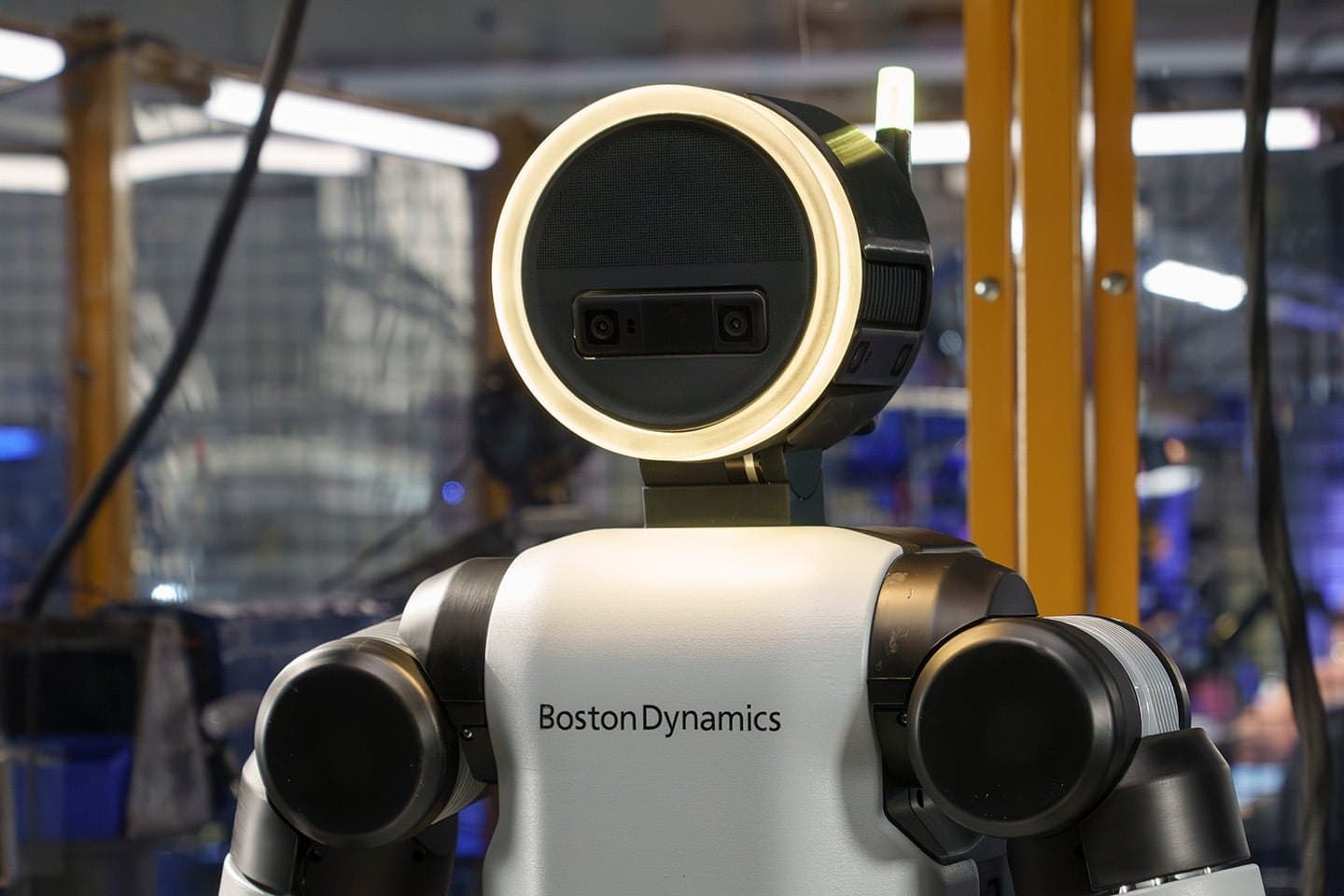
Boston Dynamics: Teaching Atlas to Work Beyond Simulation
Boston Dynamics trains its electric humanoid in simulation first, then proves each skill on real hardware. Here's how Atlas works, where Hyundai fits in, and why the data from real-world trials decides how far simulation can take it.
Cindy DizonRead the article →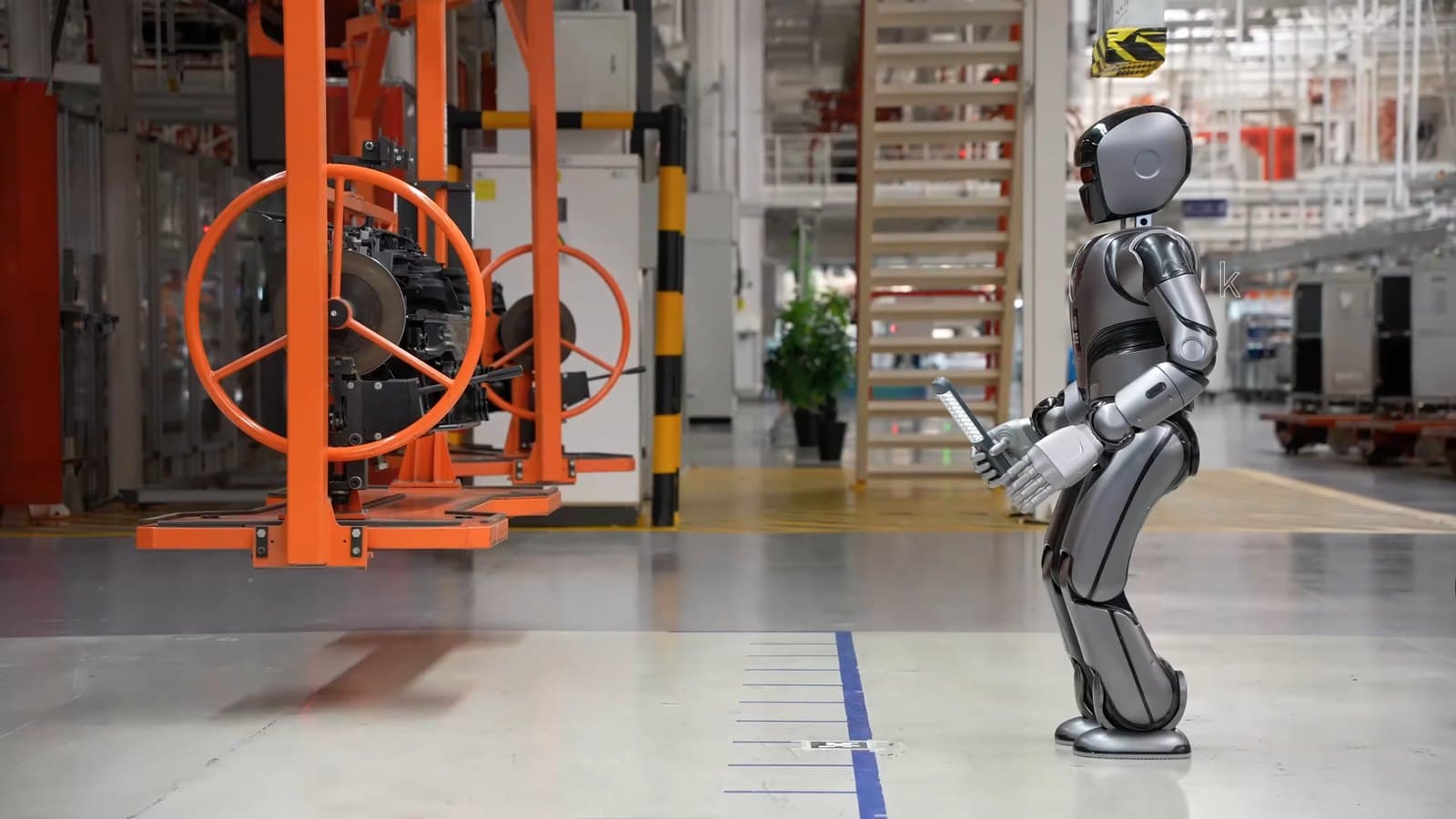
This Week in Robotics: Oct 5-11, 2026
Humanoids are heading for the logistics floor, robots are getting a memory, and money keeps pouring into the people who film how humans work.
Cindy DizonRead the article →
Robot Failure Analysis: How to Identify and Learn From Robot Policy Failures
From detecting failed rollouts to diagnosing root causes, failure analysis helps robotics teams understand what went wrong and improve robot policies.
Cindy DizonRead the article →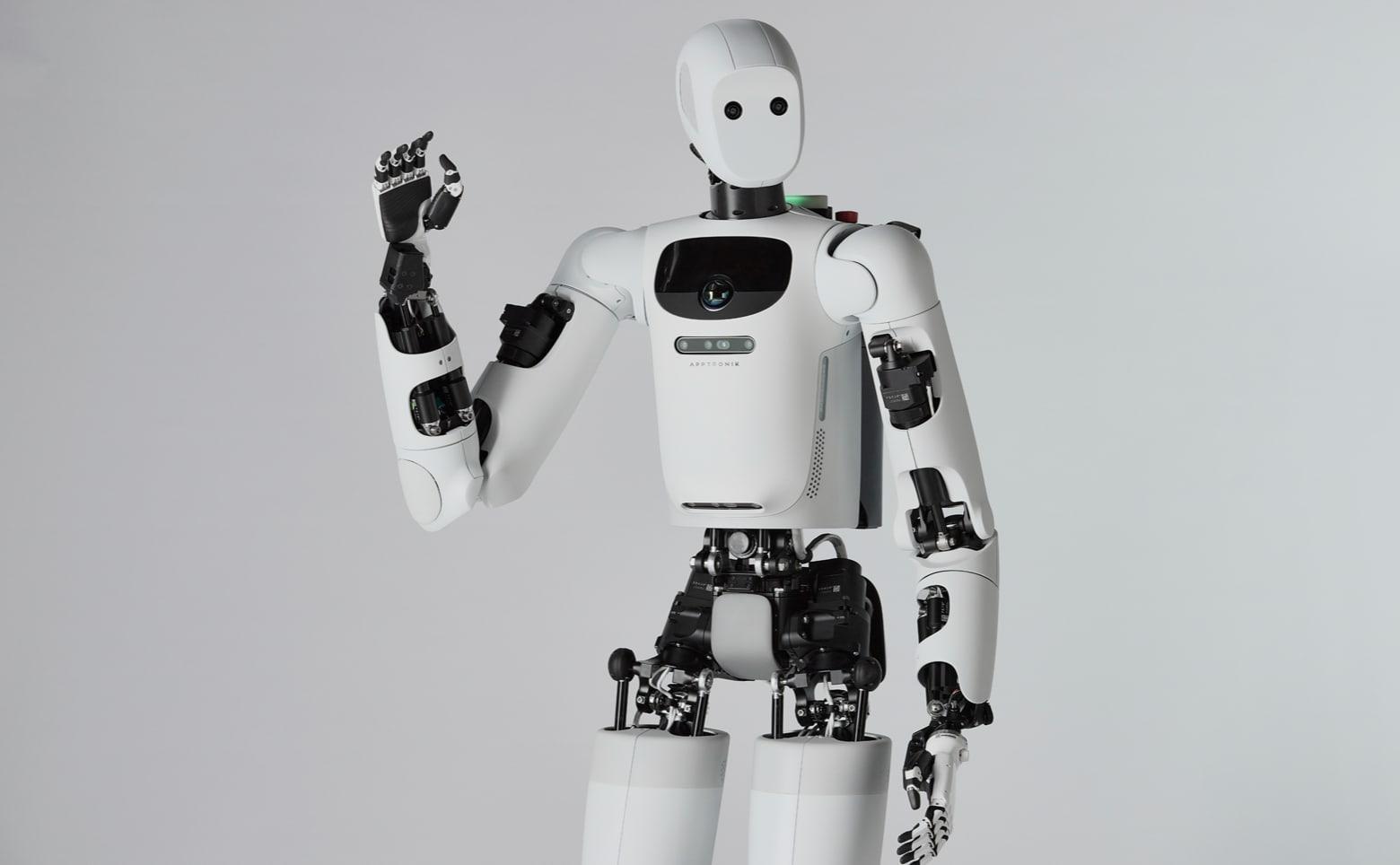
Apptronik: Building One Humanoid, Backed by NASA-Rooted Engineering
Apptronik has one robot, a handful of deep partnerships and a building where humanoids work all day to produce training data. Here's how Apollo works, how the company plans to sell it, and why the data matters as much as the hardware.
Cindy DizonRead the article →
1X Technologies: The Humanoid Built for the Living Room
1X sold a home humanoid to consumers before most rivals had left the factory floor. Here's how NEO works, how 1X plans to make money, and why the plan rests on data from real homes.
Cindy DizonRead the article →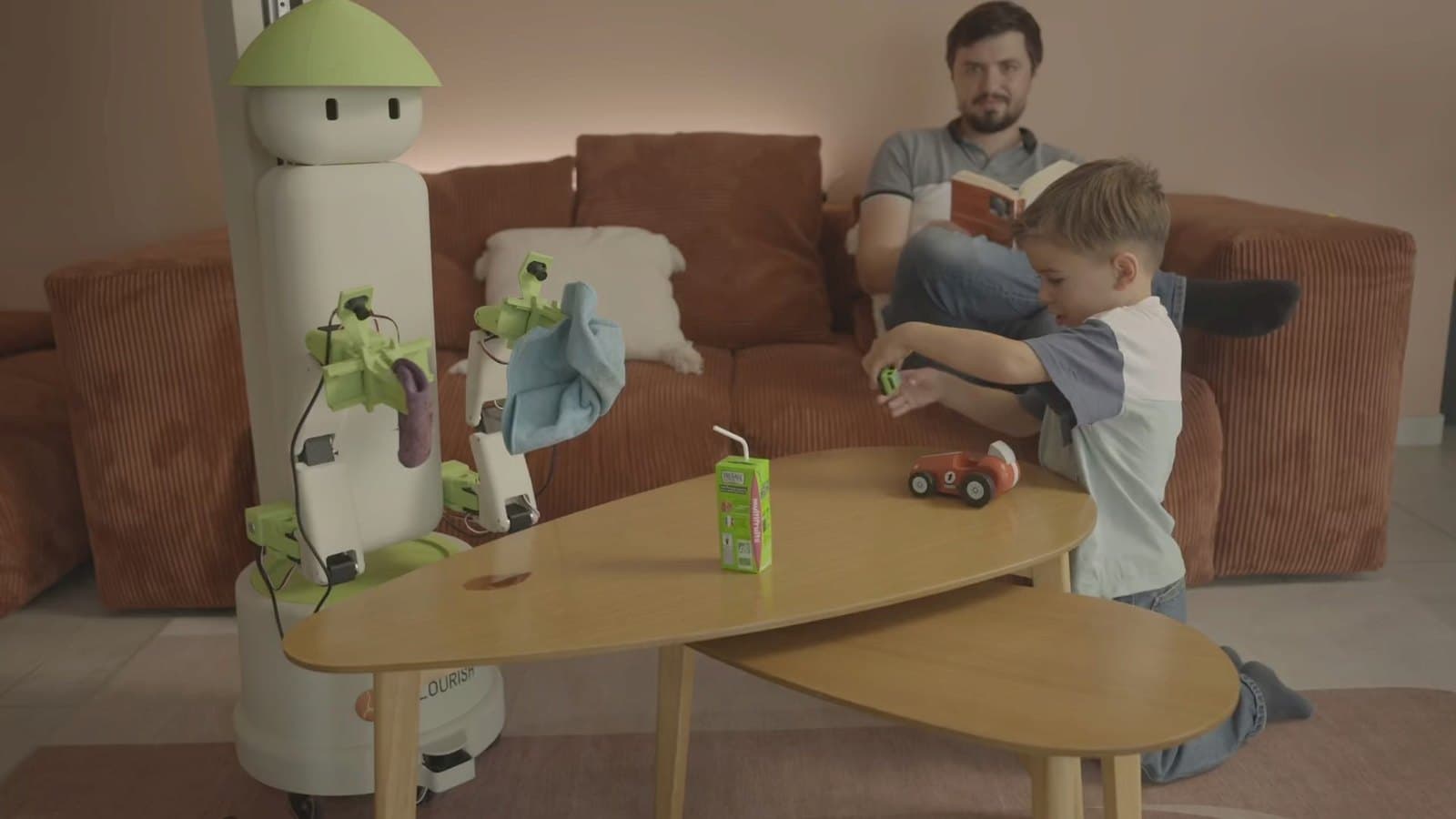
This Week in Robotics: Sep 28-Oct 4, 2026
A home robot you train with your phone, a startup betting on touch, a new five-finger hand, a shipyard trying autonomous welding, and NASA's open testbed.
Cindy DizonRead the article →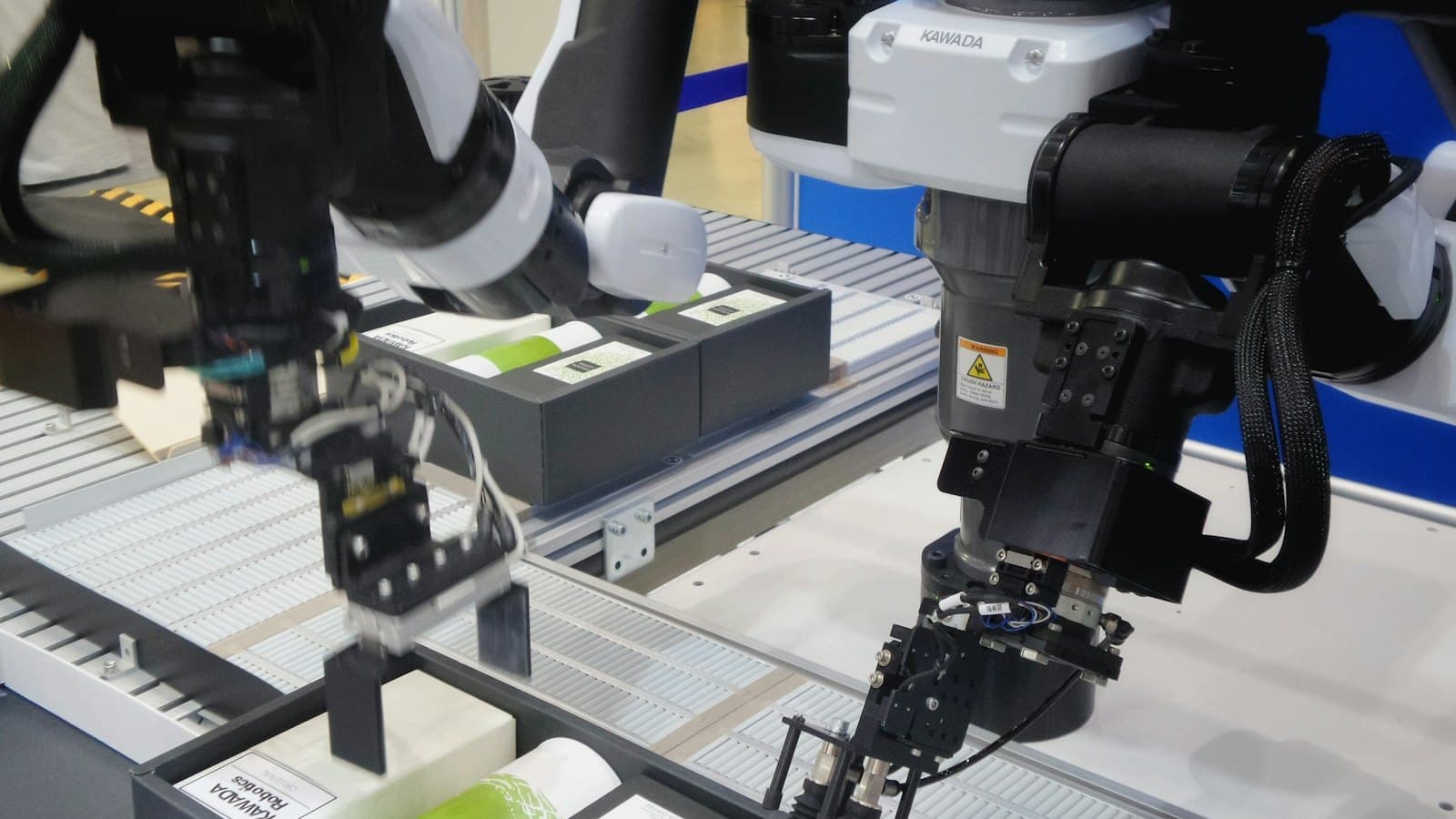
Robot Evaluation and Benchmarking: How Do You Know a Robot Is Actually Getting Better?
Loss curves and simulation scores only tell part of the story. Here's how robot policy evaluation works, and what a trustworthy benchmark looks like.
Cindy DizonRead the article →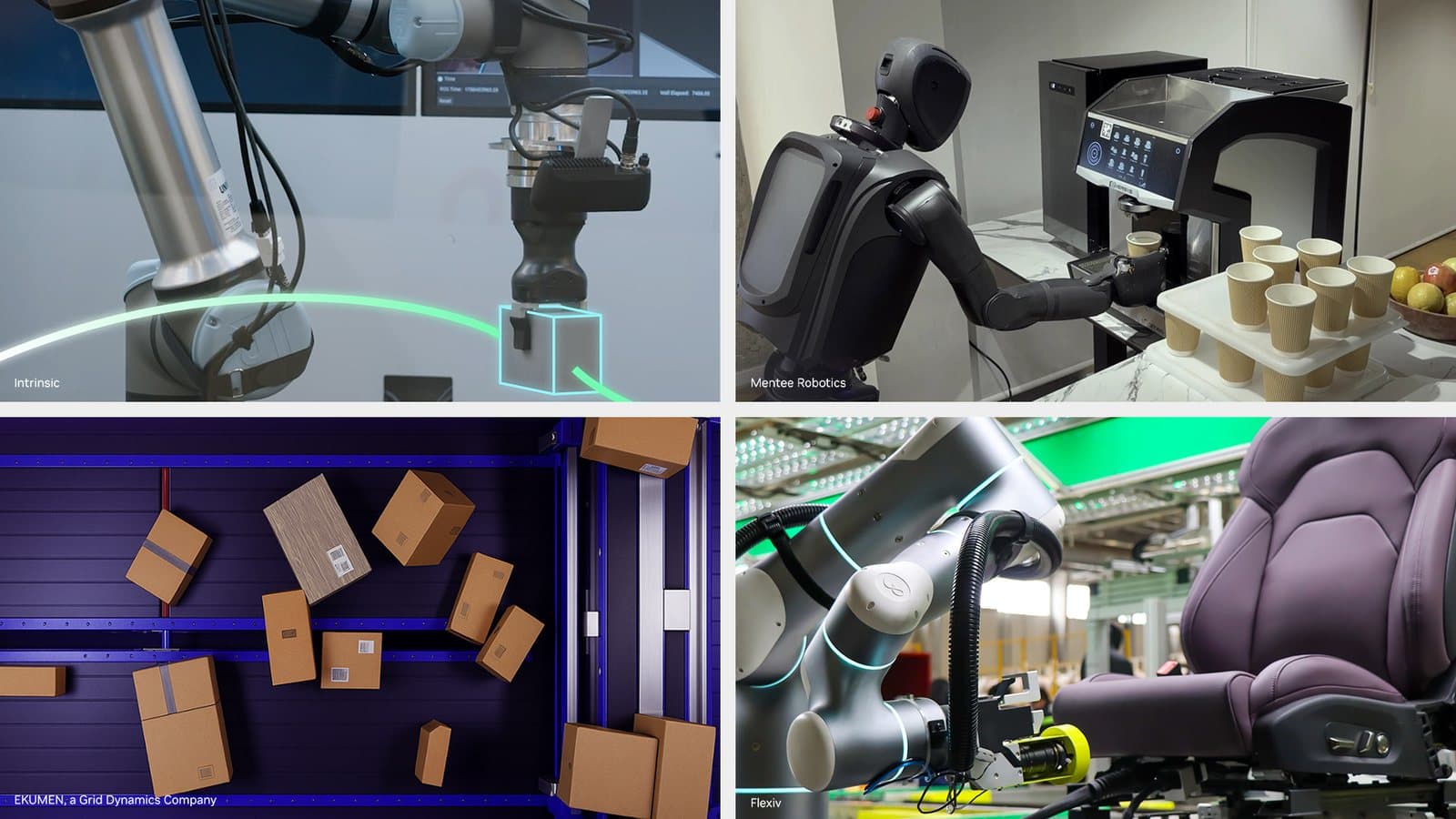
This Week in Robotics: Sep 21-27, 2026
An open-source robotics stack learns to work with AI agents, a humanoid gets a real training floor inside a car plant, and the industry gets its first official count from the IFR of how many humanoids have shipped.
Cindy DizonRead the article →
Agriculture Data Annotation: How AI and Robotics Are Transforming Modern Farming
From identifying weeds to harvesting crops, agricultural AI depends on accurately labeled images and real-world farming data.
Cindy DizonRead the article →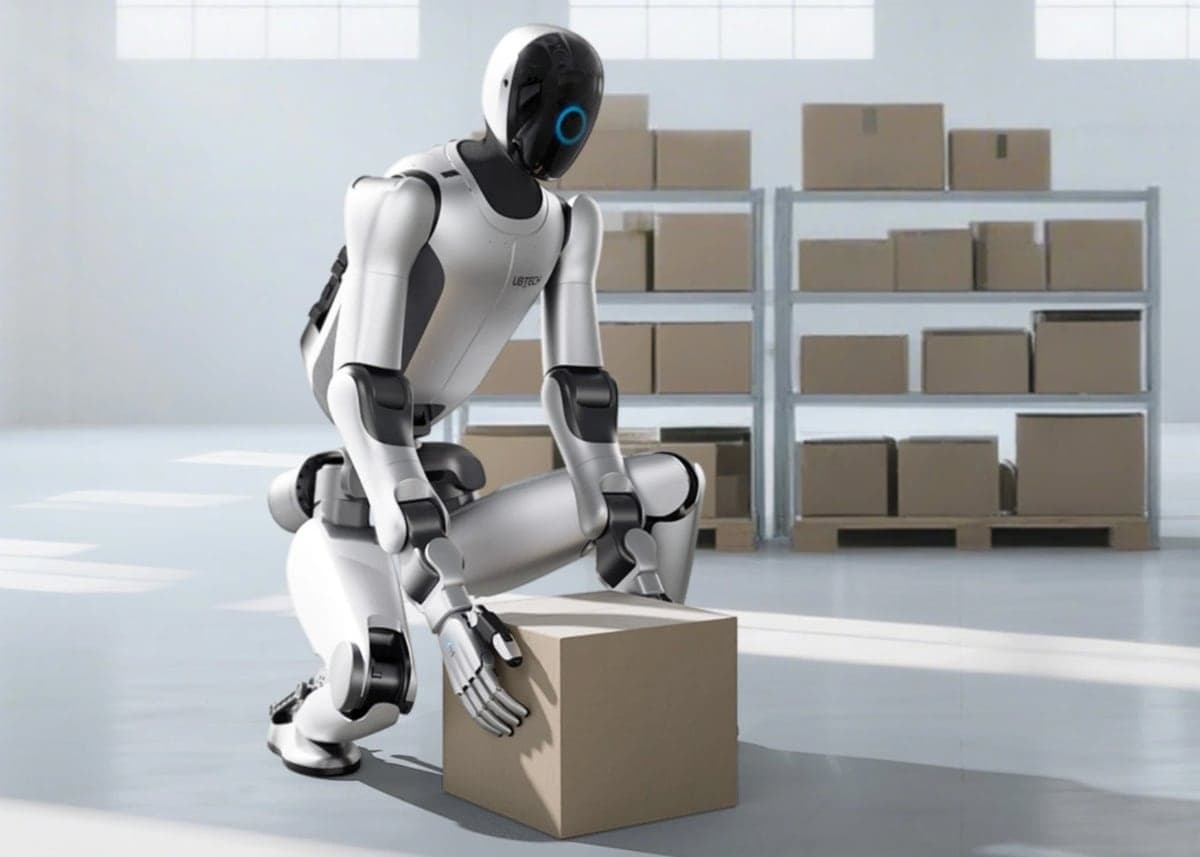
This Week in Robotics: Sep 14-20, 2026
A factory in China where robots build robots at a 10-minute pace, a robot brain trained on human hand data alone, a humanoid built to work without a safety cage, and Japan's robot ambulance.
Cindy DizonRead the article →
Dedicated Data Teams vs. Crowdsourced Labeling: What Robotics Teams Should Actually Weigh
Robotics annotation runs on judgment calls, not just labels. Here's why who does the labeling matters as much as how it's done.
Cindy DizonRead the article →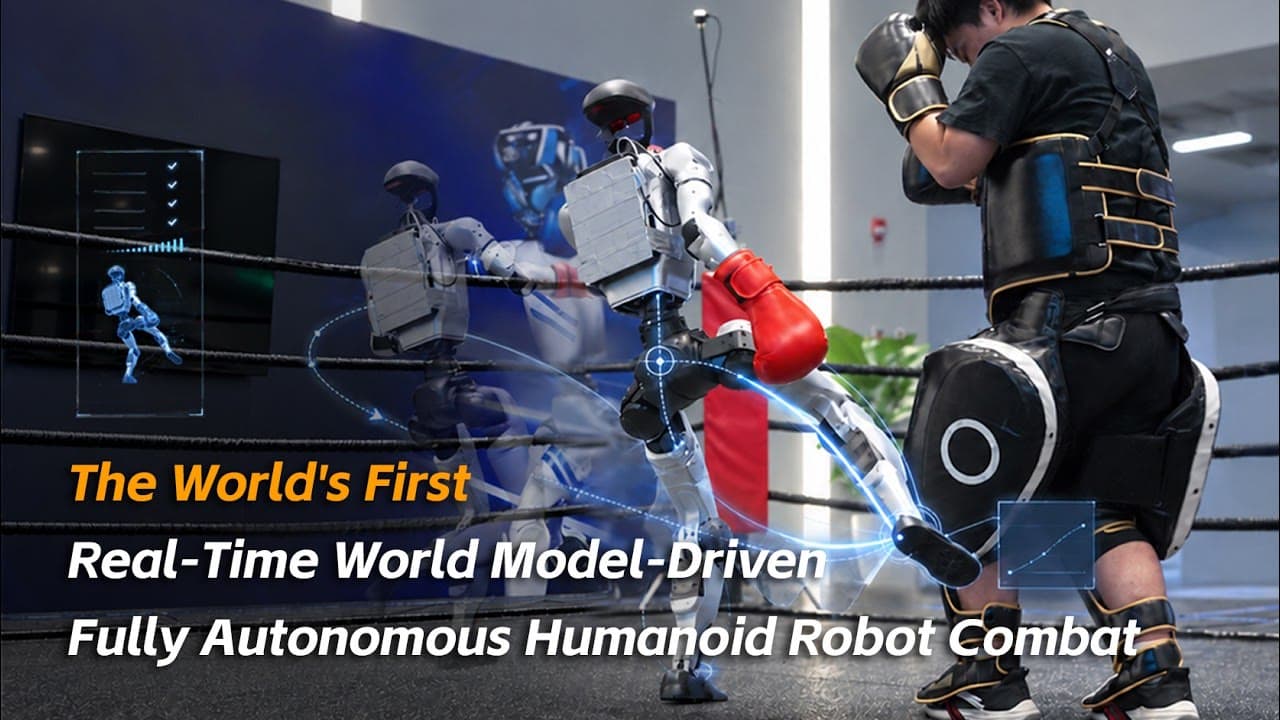
This Week in Robotics: Sep 7-13, 2026
A humanoid that spars with no one at the controls, a $100 million warehouse robot raise, Samsung reorganizing to build its own humanoid, and a fresh bet on the layer beneath every robot.
Cindy DizonRead the article →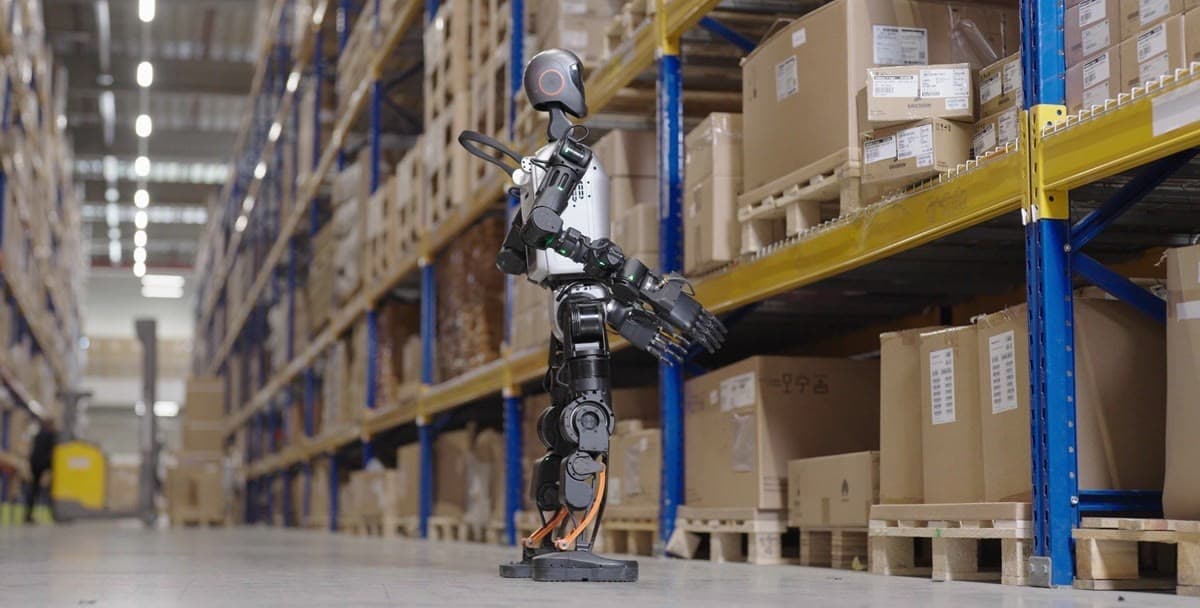
What Kind of Data Do Robots Need? It Depends Where They're Working
A warehouse robot and a home robot aren't learning from the same data. How training data requirements shift by deployment environment, and what stays constant no matter where a robot works.
Cindy DizonRead the article →
This Week in Robotics: Aug 31-Sep 6, 2026
Nscale bets $3.5B of compute on Figure, a dual-arm robot ties rebar on a building site, Medtronic puts $700M into surgical robotics, Lightberry opens reservations for a $39,990 humanoid on a Unitree body, and Nvidia pushes real inference to the edge.
Cindy DizonRead the article →
What Is Robotics Data Annotation? A Guide to Labeling Robot Training Data
Robot recordings capture behavior that unfolds over time. Annotation is what turns that into actions, states, events and outcomes a learning system can use.
Cindy DizonRead the article →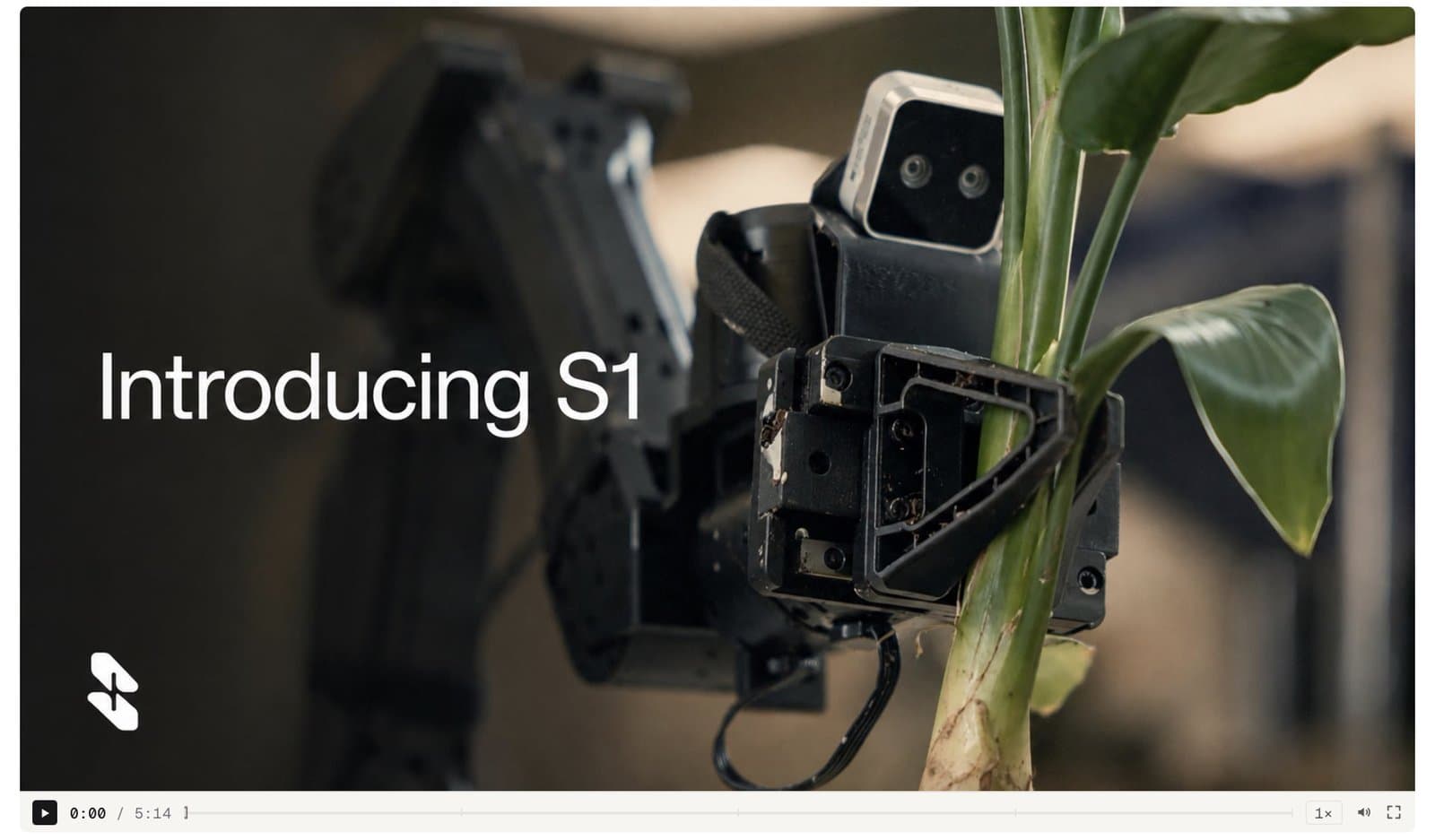
This Week in Robotics: Aug 24-30, 2026
Skild's S1 learns from one video, Figure scales human data with Index, humanoids race in Beijing, and XPENG raises to build IRON.
Cindy DizonRead the article →
Sim-to-Real in Robotics: Where Simulated Data Helps and Where It Breaks
Simulation can accelerate robot training, but the physical world doesn't follow the rules of a simulator. Here's where simulated data works, where the reality gap appears, and why real-world data still matters.
Cindy DizonRead the article →
What Makes a Robotics Dataset Actually Usable?
Diversity, sensor coverage, and consistent annotation matter more than raw volume. Here's how to tell if a dataset can actually teach a robot.
Cindy DizonRead the article →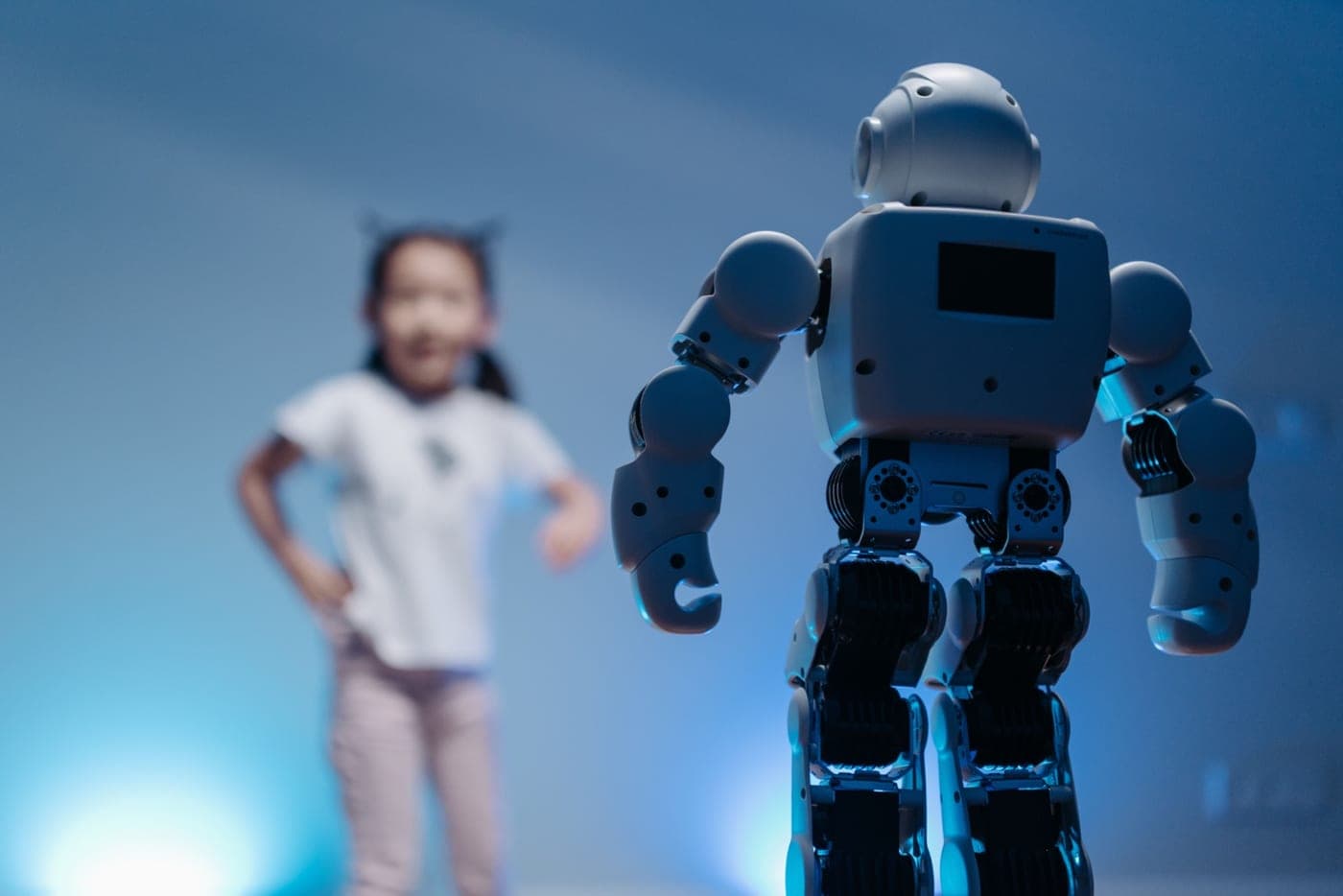
Imitation Learning vs. Teleoperation: How Robots Learn Real-World Skills
From observation to operation: how robots acquire real-world skills.
Cindy DizonRead the article →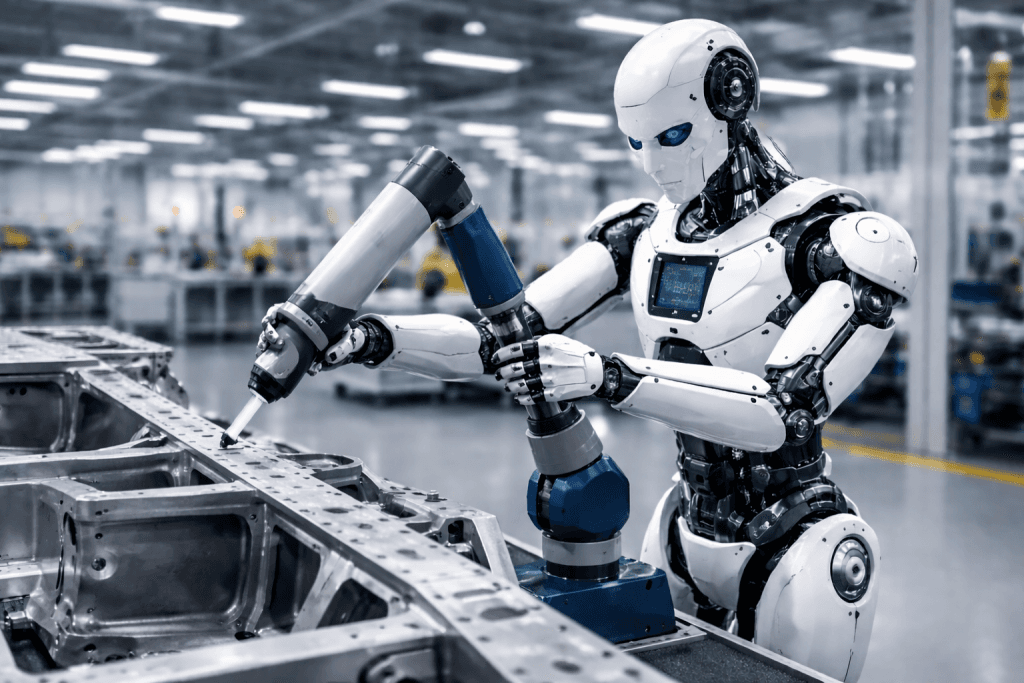
What Is Physical AI? Why Data Will Decide the Humanoid Robotics Race
Robots don't have to learn every job from scratch. They start with us.
Cindy DizonRead the article →