All articles
Page 2 of 3. Back to the latest
Articles, page 2

Robot Failure Analysis: How to Identify and Learn From Robot Policy Failures
From detecting failed rollouts to diagnosing root causes, failure analysis helps robotics teams understand what went wrong and improve robot policies.
 Cindy DizonRead the article →
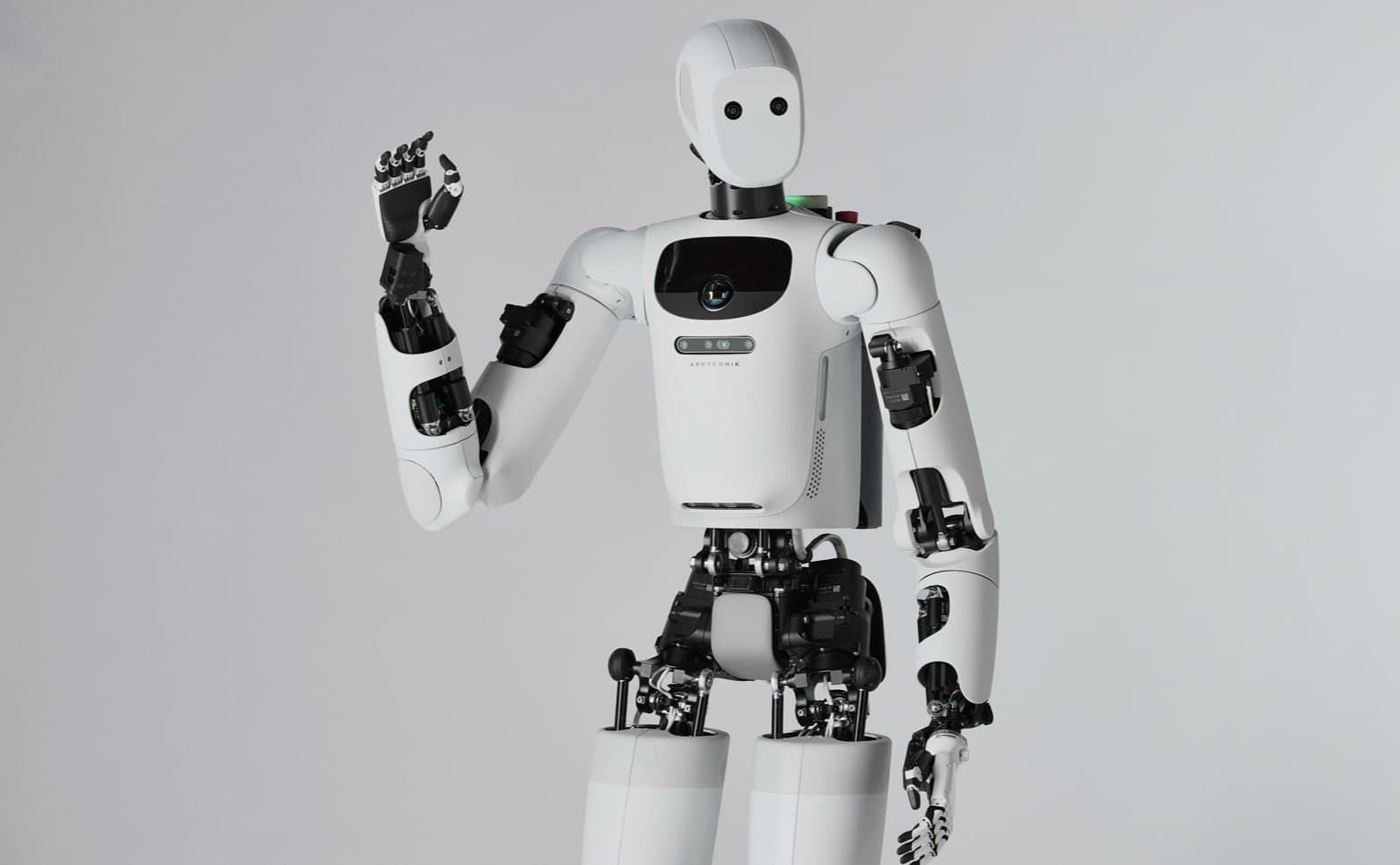
Apptronik: Building One Humanoid, Backed by NASA-Rooted Engineering
Apptronik has one robot, a handful of deep partnerships and a building where humanoids work all day to produce training data. Here's how Apollo works, how the company plans to sell it, and why the data matters as much as the hardware.
Cindy DizonRead the article →
1X Technologies: The Humanoid Built for the Living Room
1X sold a home humanoid to consumers before most rivals had left the factory floor. Here's how NEO works, how 1X plans to make money, and why the plan rests on data from real homes.
Cindy DizonRead the article →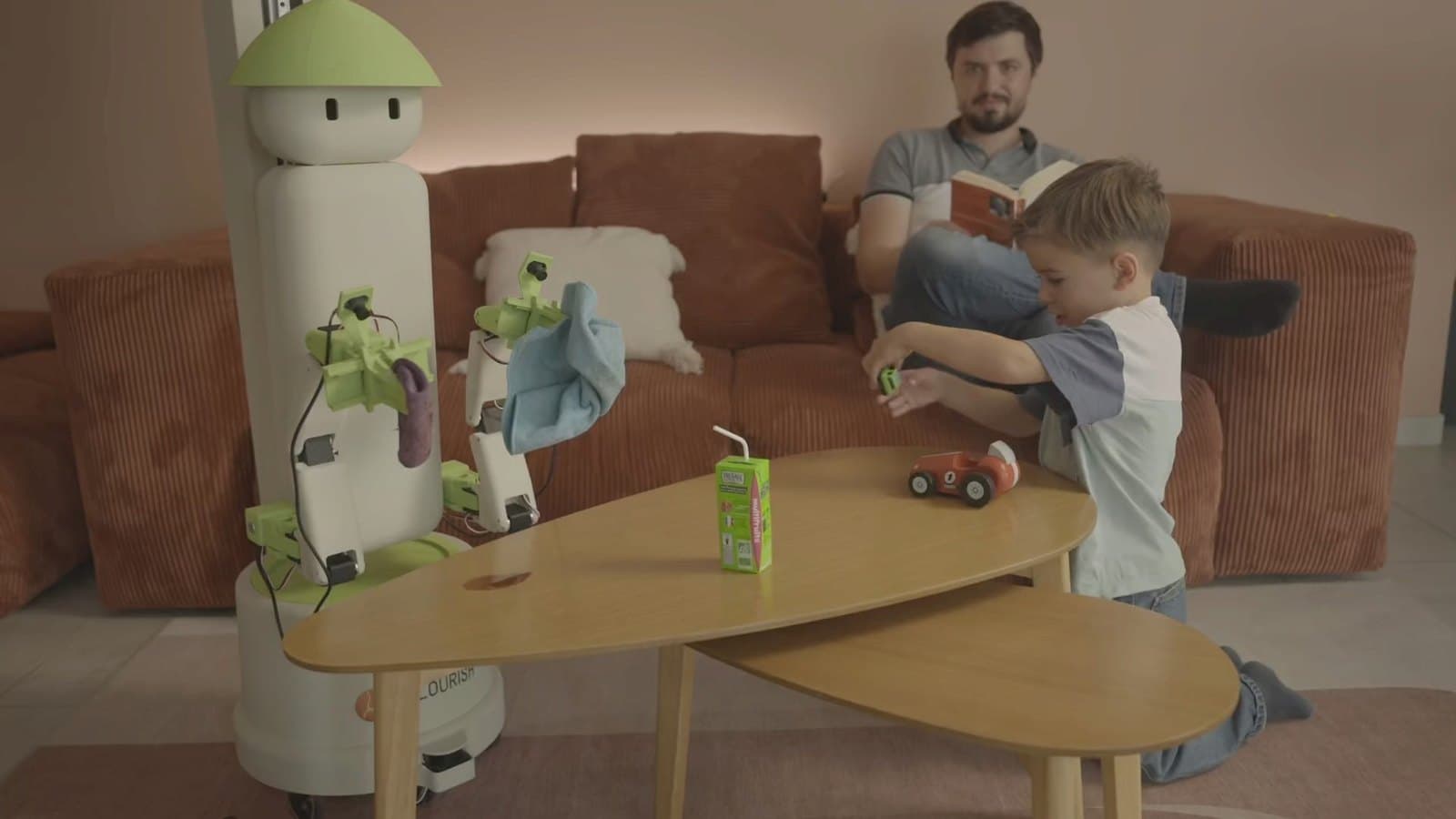
This Week in Robotics: Sep 28-Oct 4, 2026
A home robot you train with your phone, a startup betting on touch, a new five-finger hand, a shipyard trying autonomous welding, and NASA's open testbed.
Cindy DizonRead the article →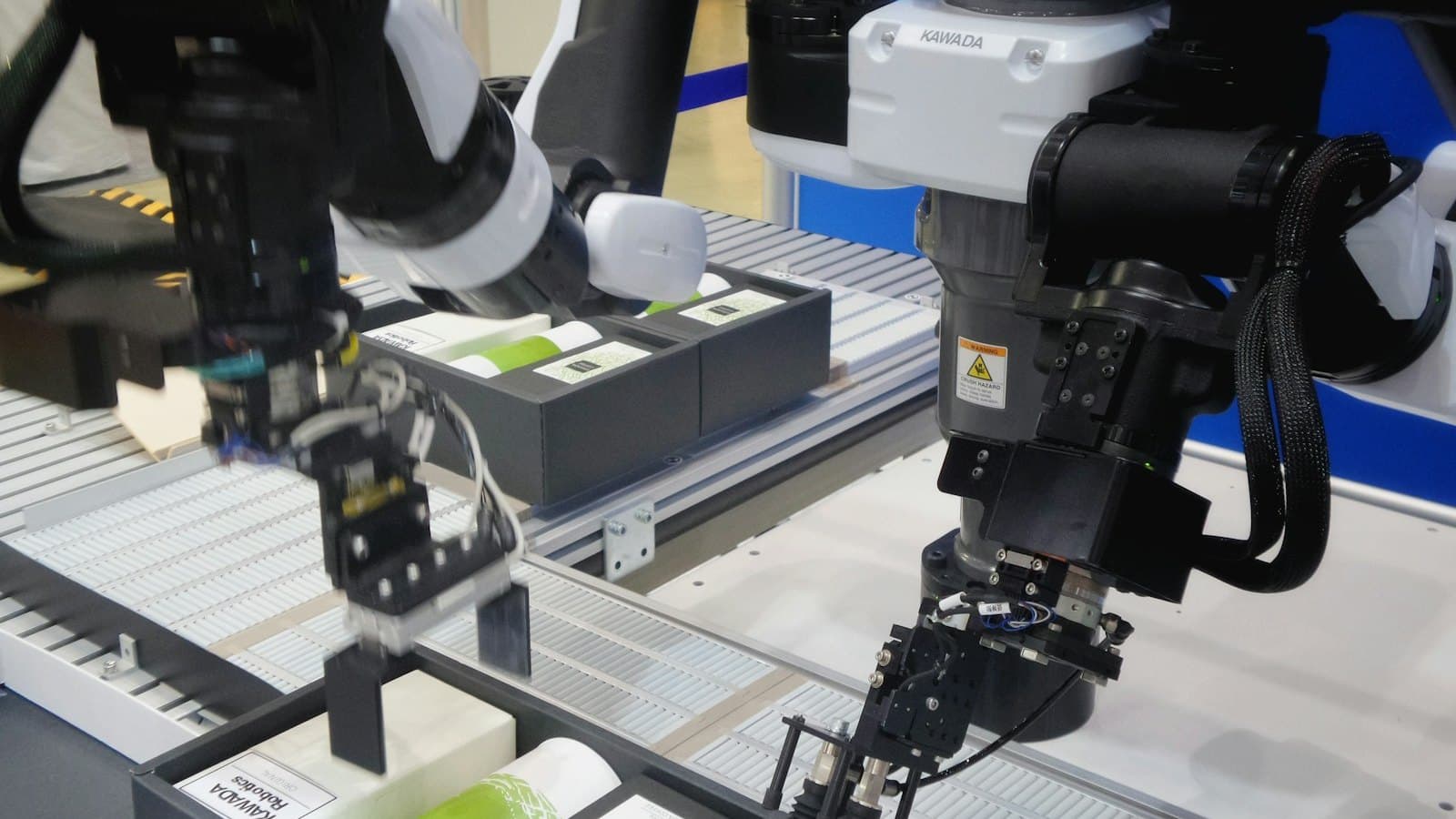
Robot Evaluation and Benchmarking: How Do You Know a Robot Is Actually Getting Better?
Loss curves and simulation scores only tell part of the story. Here's how robot policy evaluation works, and what a trustworthy benchmark looks like.
Cindy DizonRead the article →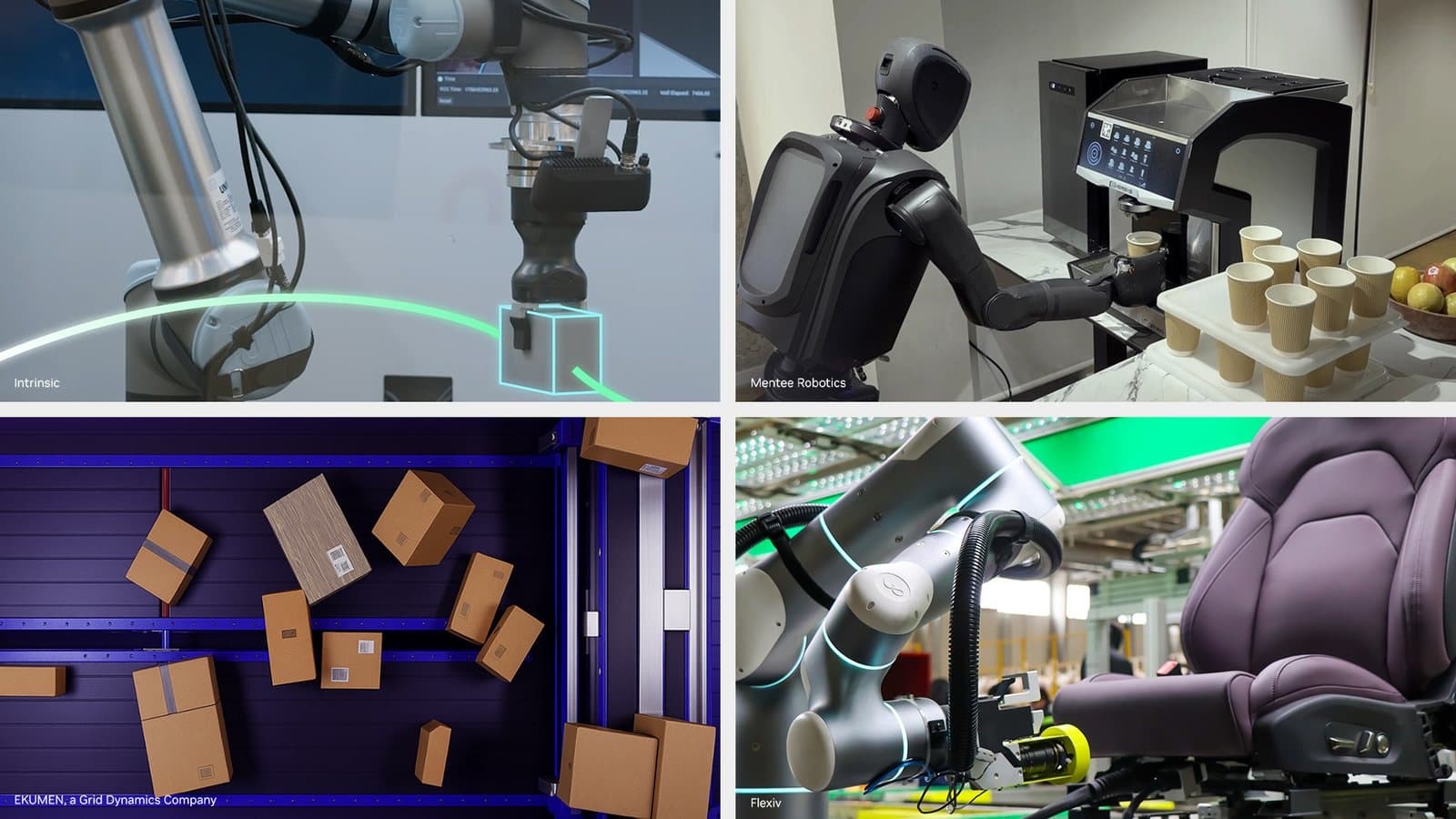
This Week in Robotics: Sep 21-27, 2026
An open-source robotics stack learns to work with AI agents, a humanoid gets a real training floor inside a car plant, and the industry gets its first honest count of how many humanoids have shipped.
Cindy DizonRead the article →
Agriculture Data Annotation: How AI and Robotics Are Transforming Modern Farming
From identifying weeds to harvesting crops, agricultural AI depends on accurately labeled images and real-world farming data.
Cindy DizonRead the article →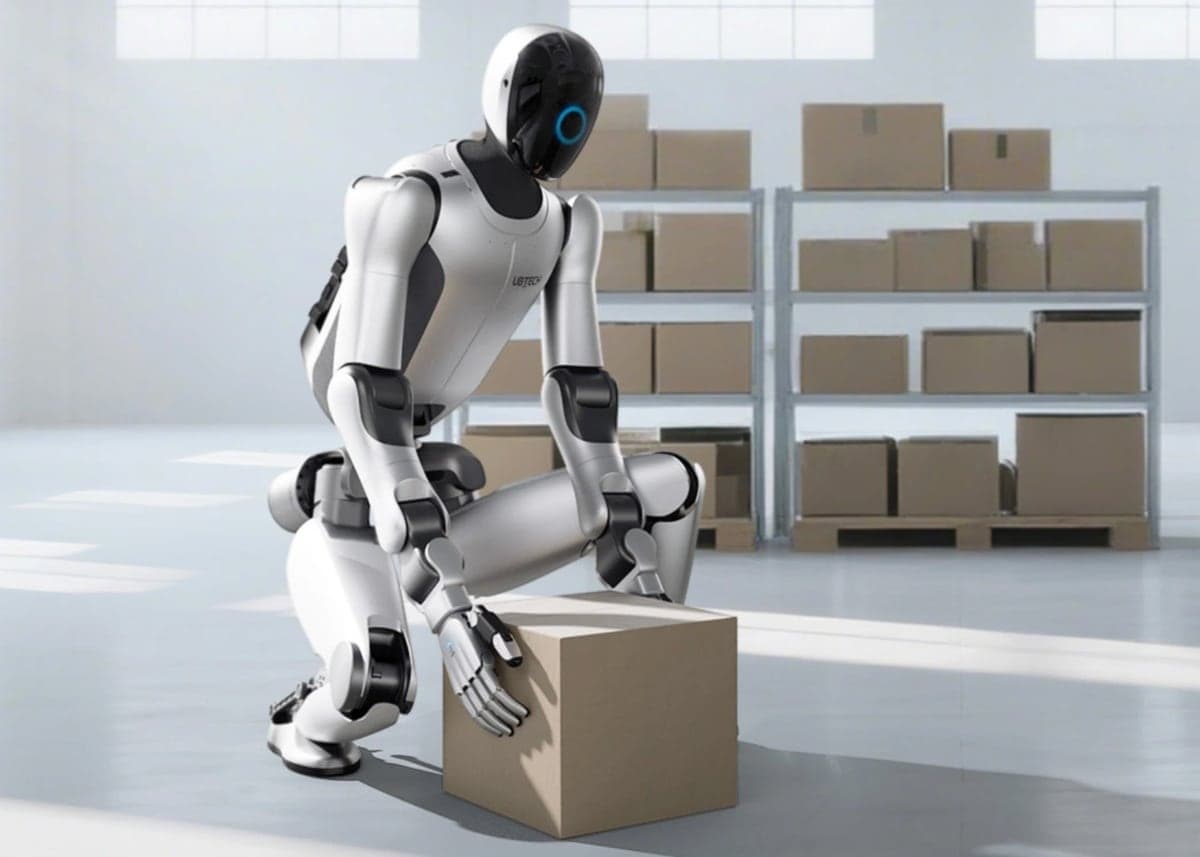
This Week in Robotics: Sep 14-20, 2026
A factory in China where robots build robots at a 10-minute pace, a robot brain trained on human hand data alone, a humanoid built to work without a safety cage, and Japan's robot ambulance.
Cindy DizonRead the article →
Dedicated Data Teams vs. Crowdsourced Labeling: What Robotics Teams Should Actually Weigh
Robotics annotation runs on judgment calls, not just labels. Here's why who does the labeling matters as much as how it's done.
Cindy DizonRead the article →