Company profiles
Profiles of the companies building robots: what they make, how their robots learn, and what that means for the data behind them. Each profile is based on public sources, linked in the text.
7 profiles, newest first
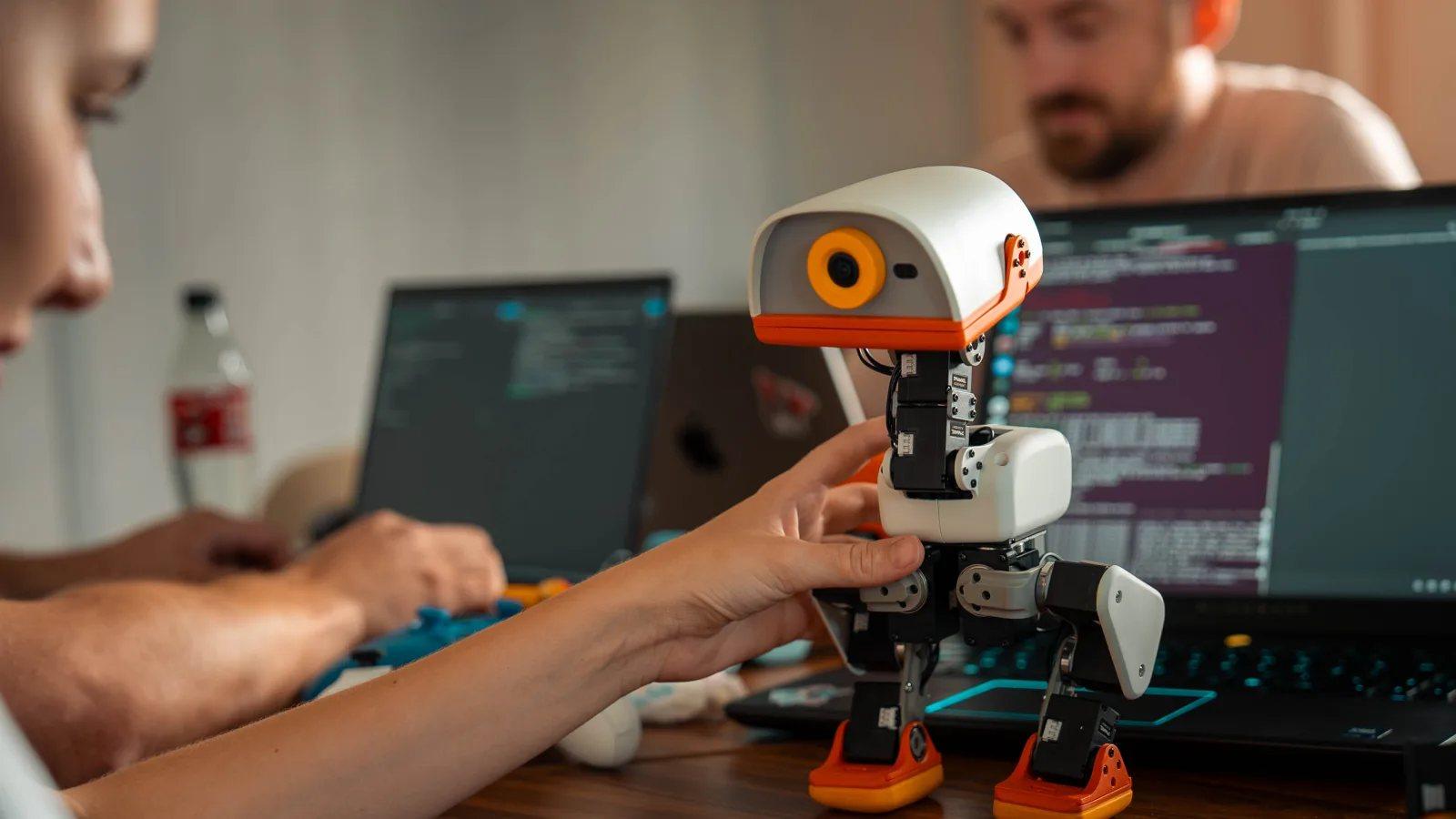
Microduck: Pollen Robotics' Small Biped for Robot Learning
Microduck walks, picks things up with its beak and gets back up after a fall. The reason to take it seriously is that owners can train it to move differently.
 Stephanie ChanRead the article →
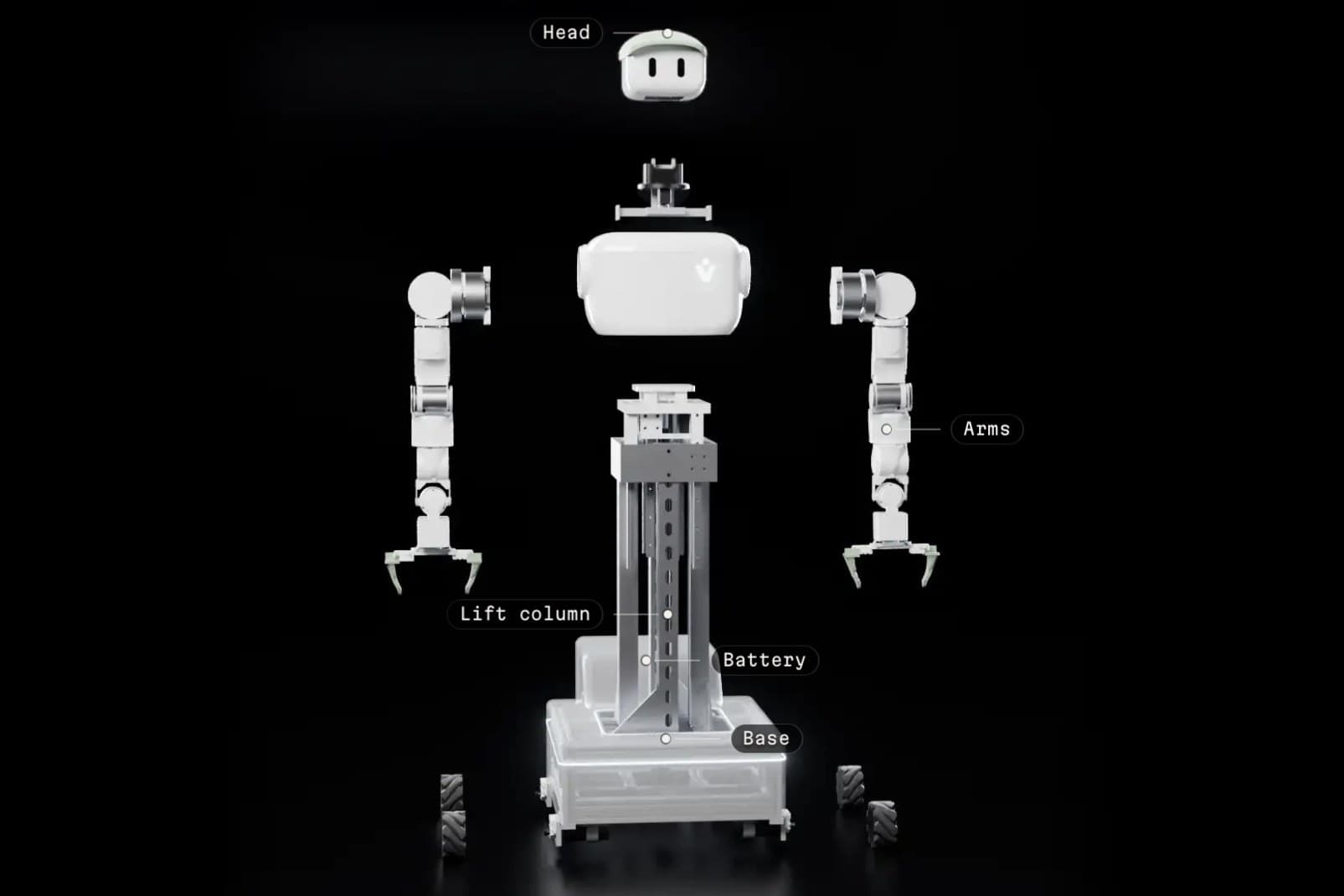
Vibe Robotics: Putting a Hotel Robot to Work, One Towel at a Time
Vibe Robotics is building a wheeled, two-armed robot for hotel service work and proving it with a towel. Here's how Vibe 01 works, where the open-source Vibe A1 fits in, and why a folded towel is a harder test than it looks.
 Cindy DizonRead the article →
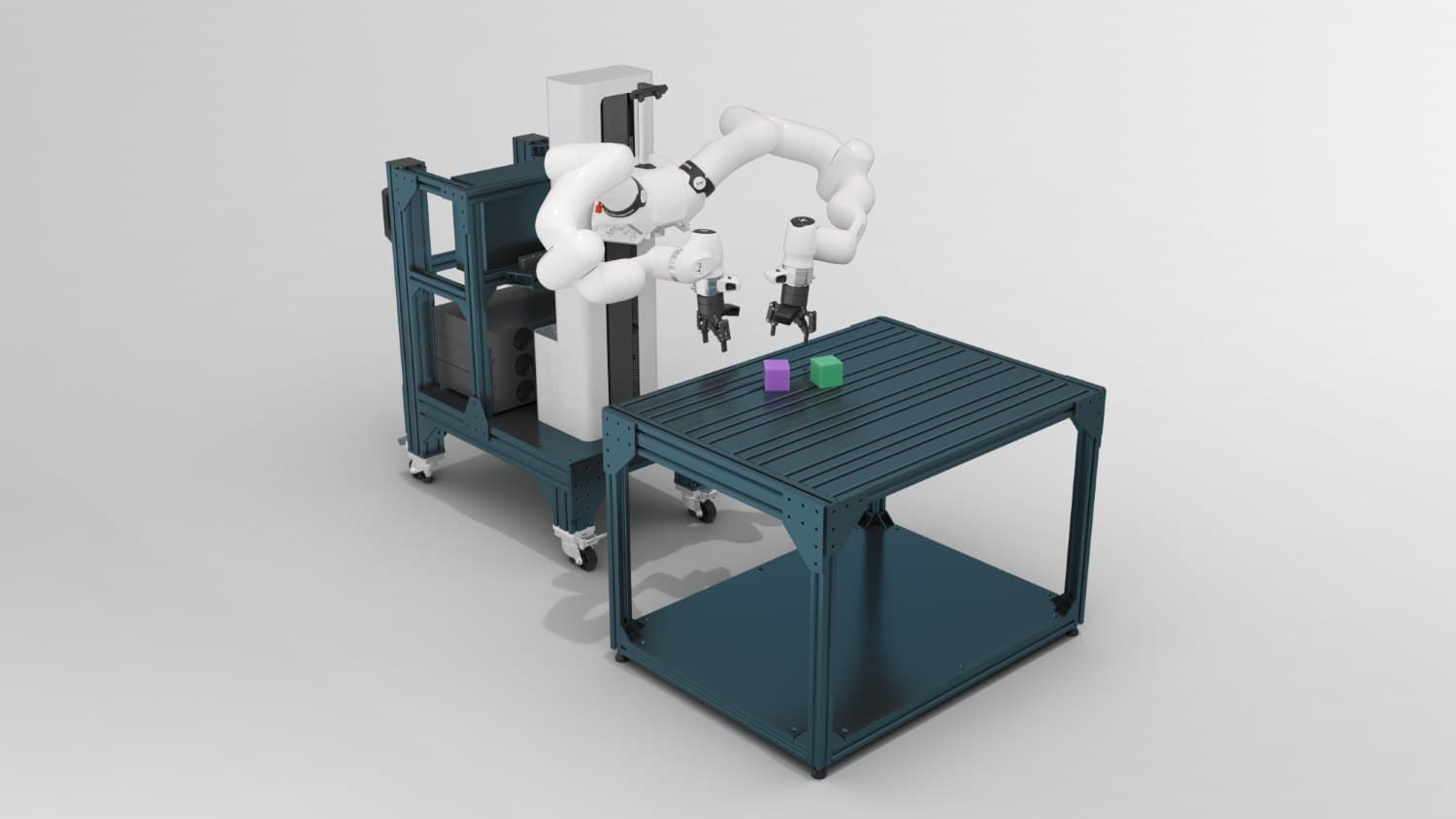
Franka Robotics: Robot Arms for Manipulation Research
Franka Robotics builds force-sensitive arms for robot learning labs. Here's how the Franka Research 3 and the two-arm FR3 Duo compare, what buyers should know, and how DROID collected its demonstrations on Franka hardware.
Stephanie ChanRead the article →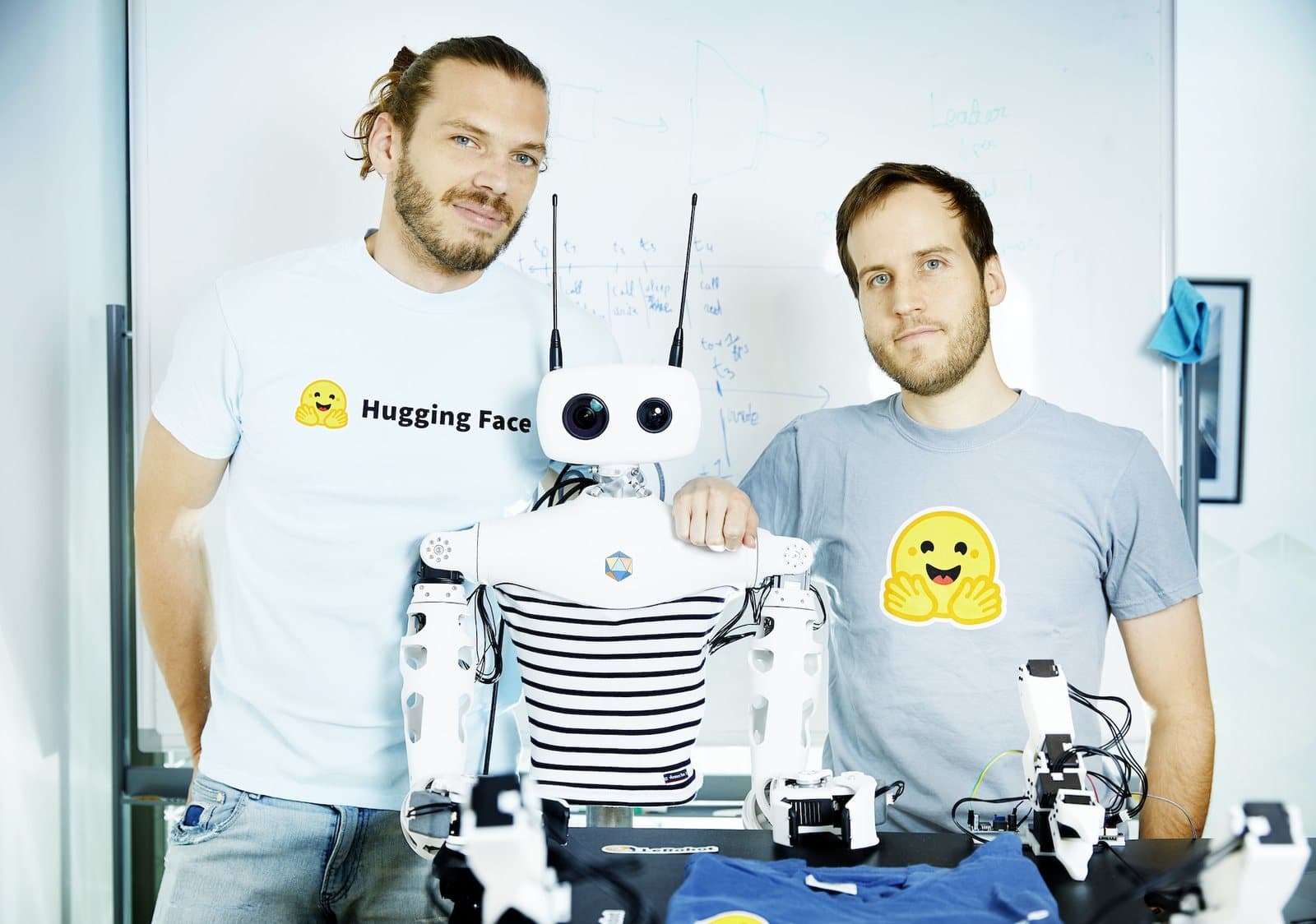
Hugging Face: Bringing Open-Source AI Into Robotics
Hugging Face sells two Reachy robots from Pollen Robotics and gives away LeRobot, the software to train them. Here's how the platforms differ, what buyers should know, and why useful robot learning still depends on data quality.
Stephanie ChanRead the article →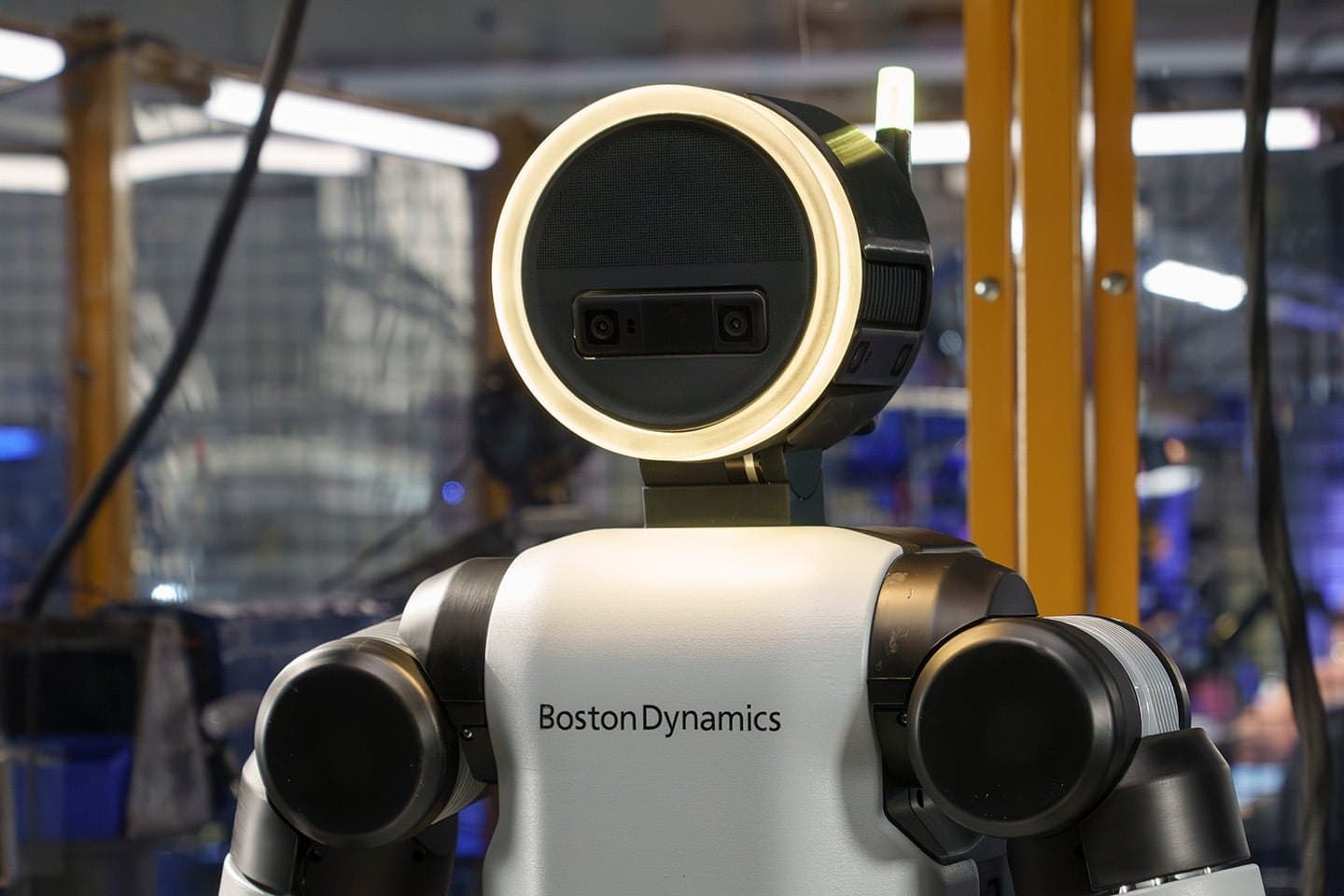
Boston Dynamics: Teaching Atlas to Work Beyond Simulation
Boston Dynamics trains its electric humanoid in simulation first, then proves each skill on real hardware. Here's how Atlas works, where Hyundai fits in, and why the data from real-world trials decides how far simulation can take it.
Cindy DizonRead the article →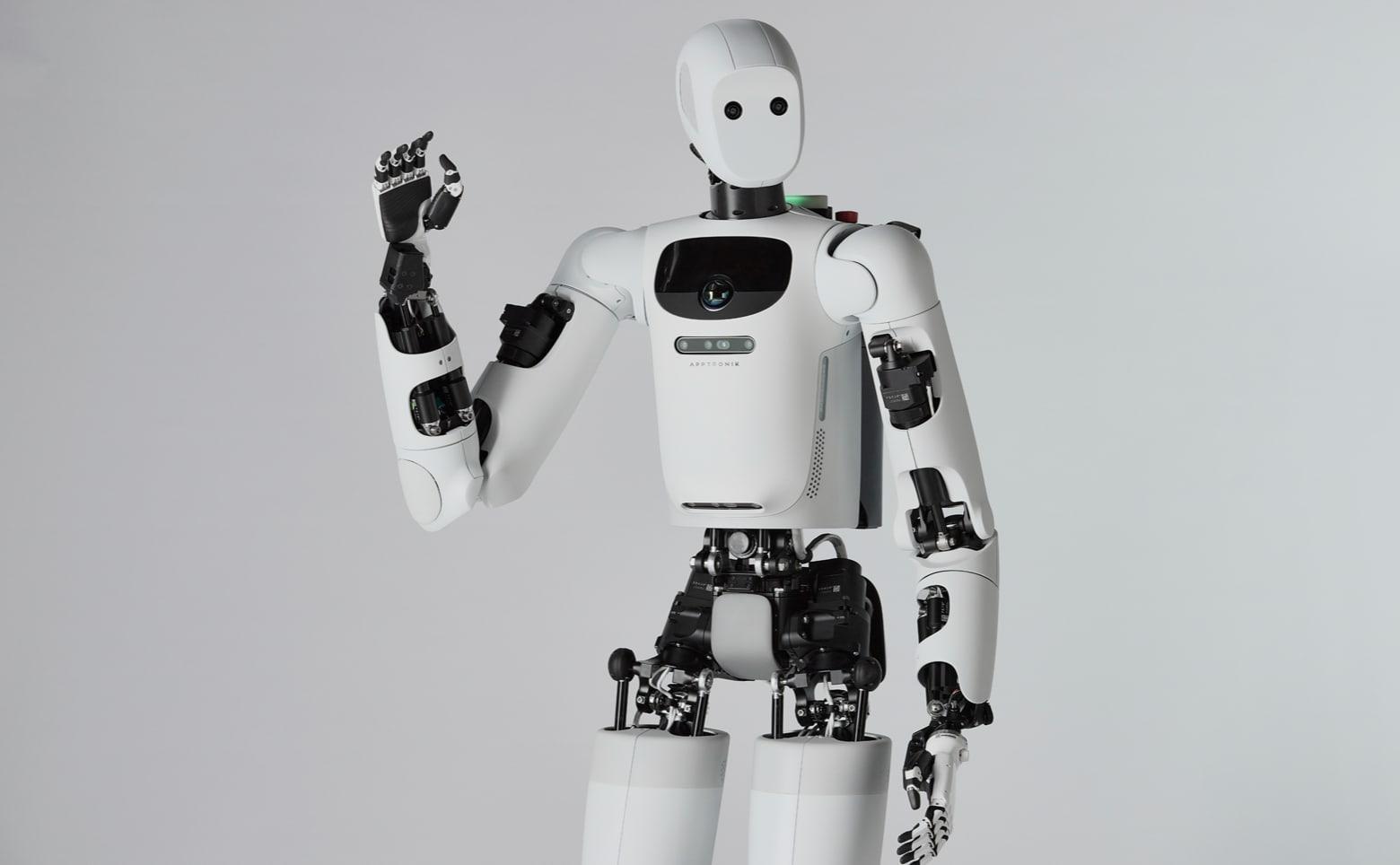
Apptronik: Building One Humanoid, Backed by NASA-Rooted Engineering
Apptronik has one robot, a handful of deep partnerships and a building where humanoids work all day to produce training data. Here's how Apollo works, how the company plans to sell it, and why the data matters as much as the hardware.
Cindy DizonRead the article →
1X Technologies: The Humanoid Built for the Living Room
1X sold a home humanoid to consumers before most rivals had left the factory floor. Here's how NEO works, how 1X plans to make money, and why the plan rests on data from real homes.
Cindy DizonRead the article →