Guides
Practical guides to the data behind Physical AI: what it is, how robot training data is collected and labeled, how robot policies are evaluated, and where simulation fits. Start with the basics or go straight to your topic.
14 guides, newest first
Physical AI 3Data Collection 2Annotation 4Evaluation 4Simulation 1
Physical AI
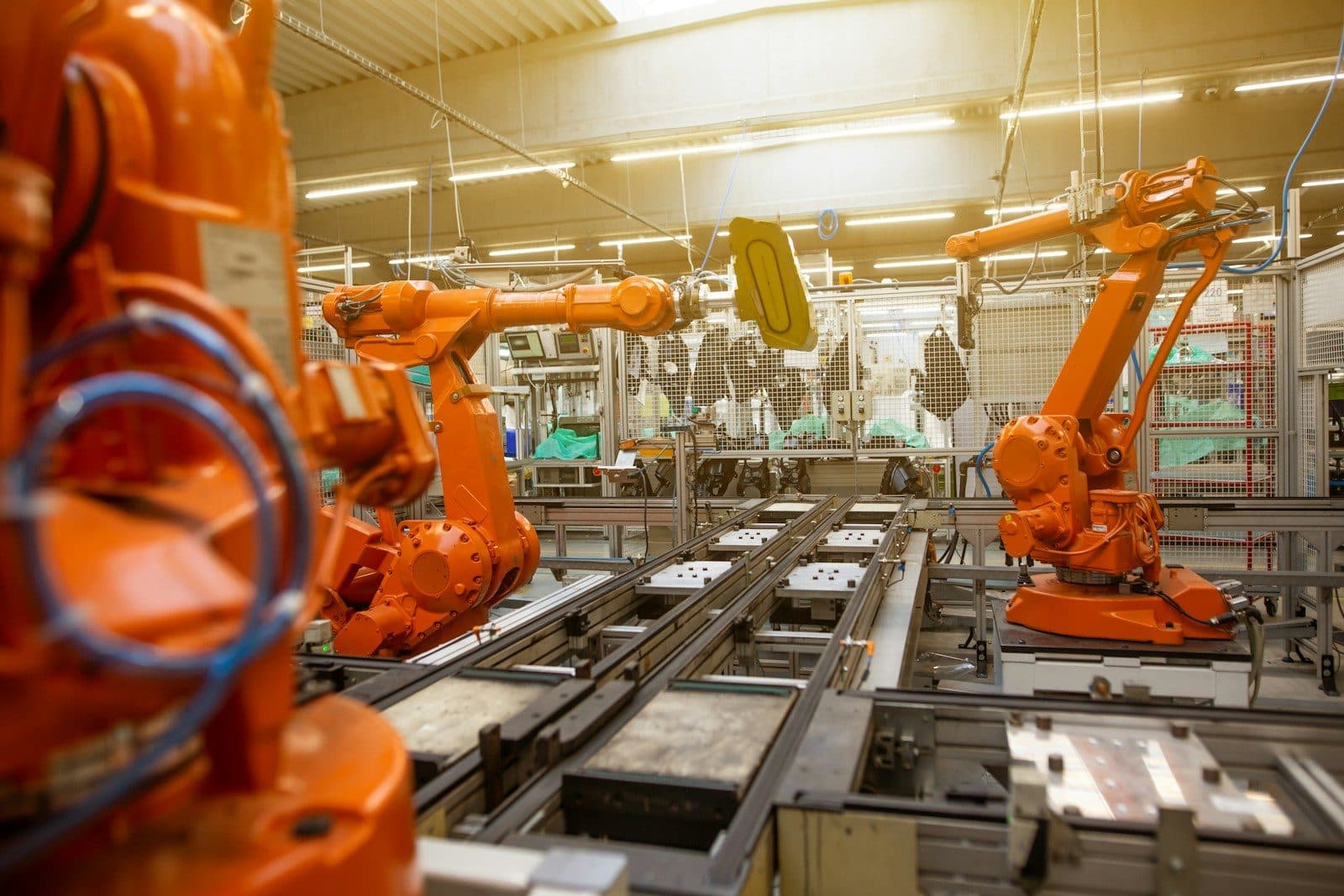
Why Is Robot Manipulation Hard Across Different Objects?
Recognizing an object doesn't tell a robot how to hold it. Here's how shape, weight, material and clutter each change the problem, and what training data needs to capture.
 Stephanie ChanRead the article →
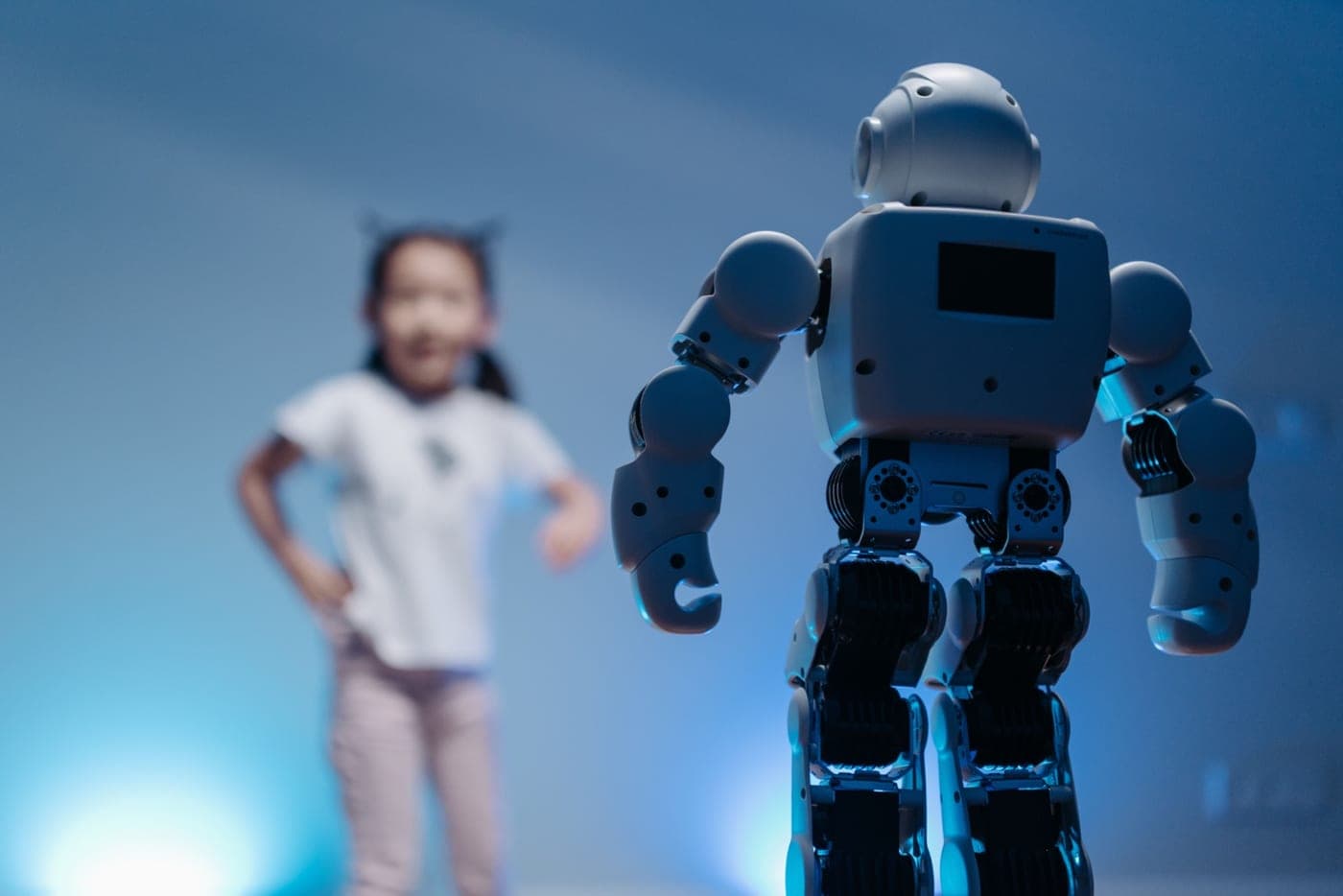
Imitation Learning vs. Teleoperation: How Robots Learn Real-World Skills
From observation to operation: how robots acquire real-world skills.
 Cindy DizonRead the article →
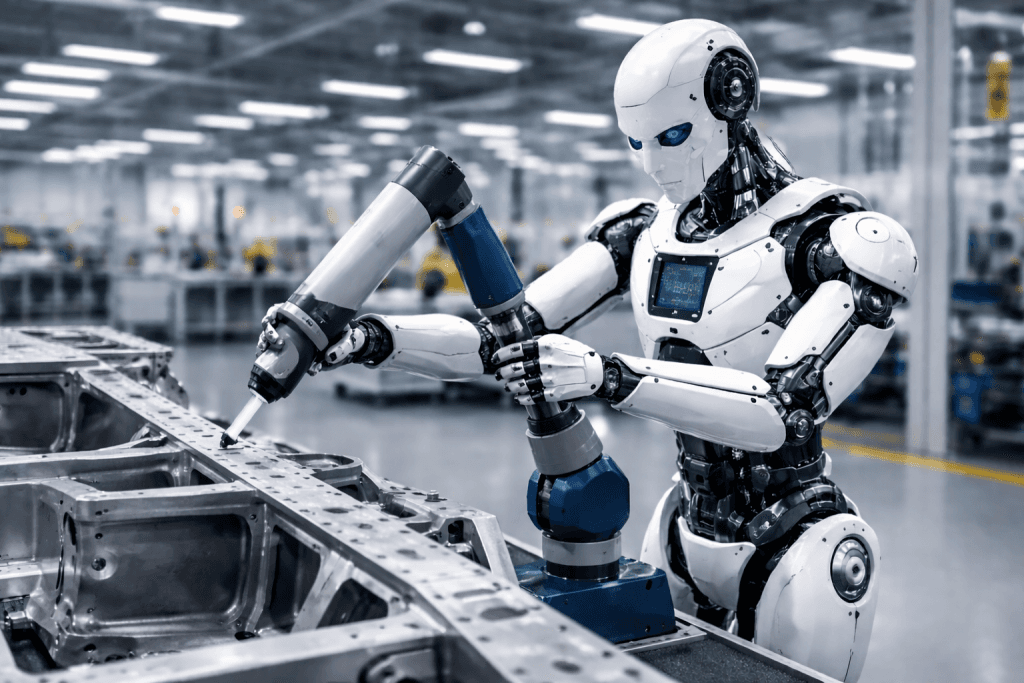
What Is Physical AI? Why Data Will Decide the Humanoid Robotics Race
Robots don't have to learn every job from scratch. They start with us.
Cindy DizonRead the article →Data Collection
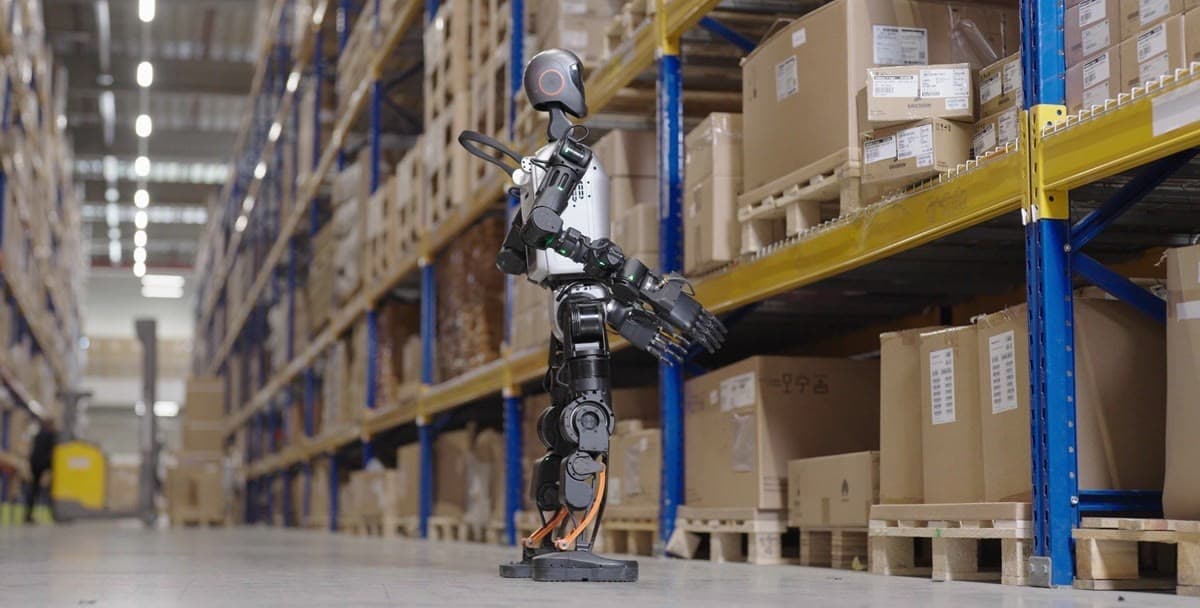
What Kind of Data Do Robots Need? It Depends Where They're Working
A warehouse robot and a home robot aren't learning from the same data. How training data requirements shift by deployment environment, and what stays constant no matter where a robot works.
Cindy DizonRead the article →
What Makes a Robotics Dataset Actually Usable?
Diversity, sensor coverage, and consistent annotation matter more than raw volume. Here's how to tell if a dataset can actually teach a robot.
Cindy DizonRead the article →Annotation
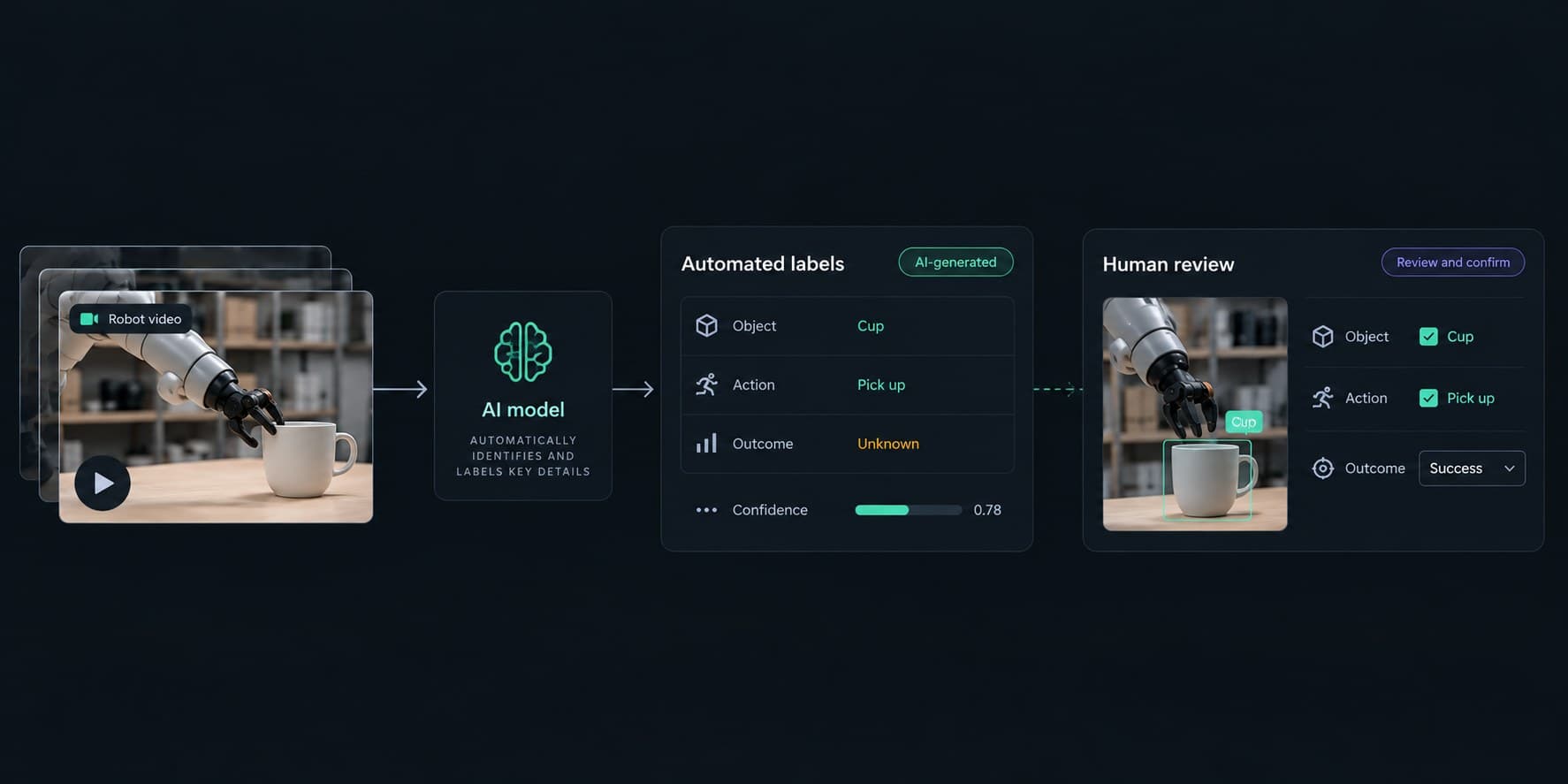
Automated Data Labeling: Where Human Review Fits
AI can find the moments that matter in hours of robot video and propose labels for them. Here's how CreativAI structures that footage, and where human review turns candidate labels into ones a team can train on.
Stephanie ChanRead the article →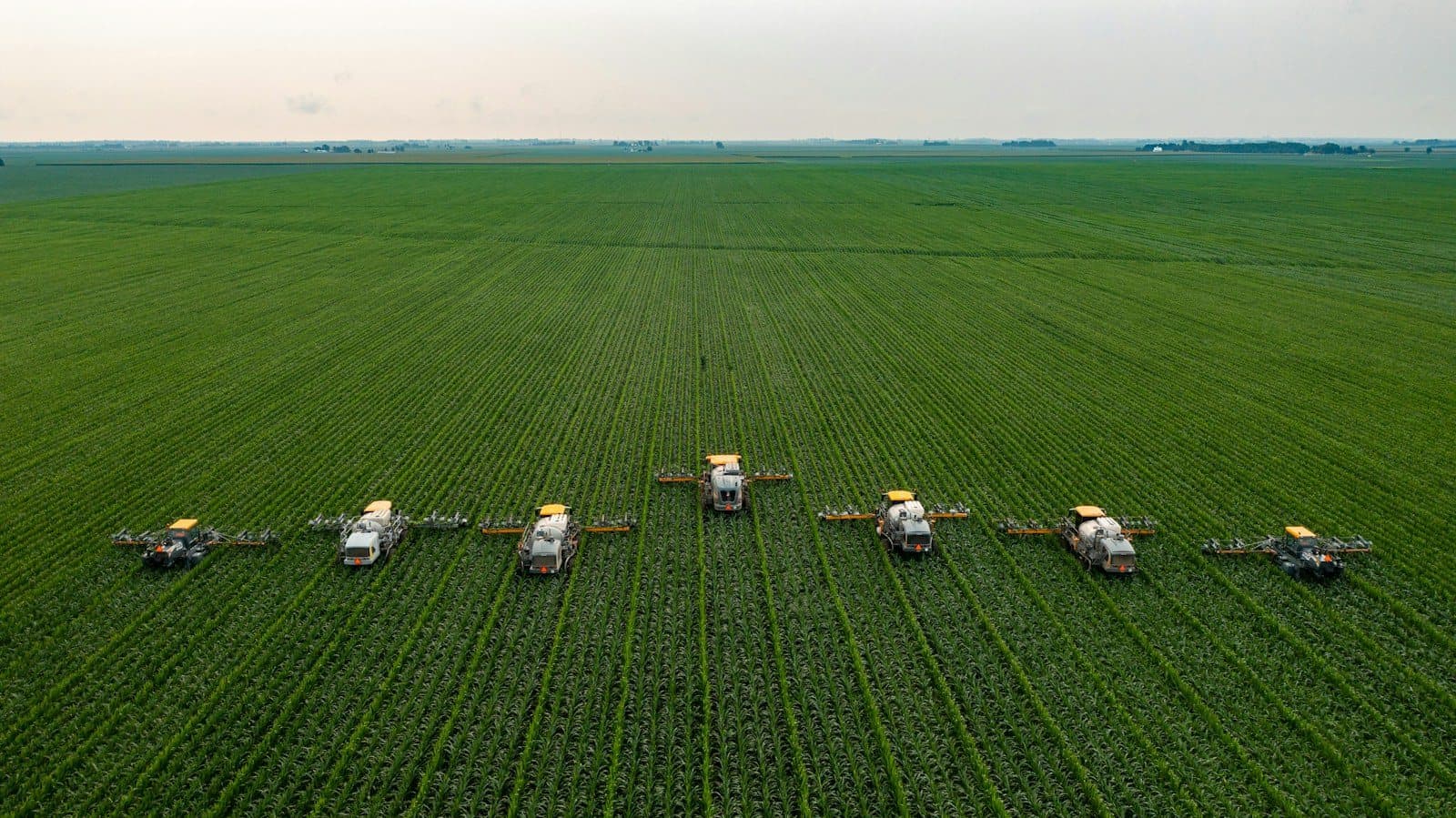
Agriculture Data Annotation: How AI and Robotics Are Transforming Modern Farming
From identifying weeds to harvesting crops, agricultural AI depends on accurately labeled images and real-world farming data.
Cindy DizonRead the article →
Dedicated Data Teams vs. Crowdsourced Labeling: What Robotics Teams Should Actually Weigh
Robotics annotation runs on judgment calls, not just labels. Here's why who does the labeling matters as much as how it's done.
Cindy DizonRead the article →
What Is Robotics Data Annotation? A Guide to Labeling Robot Training Data
Robot recordings capture behavior that unfolds over time. Annotation is what turns that into actions, states, events and outcomes a learning system can use.
Cindy DizonRead the article →Evaluation
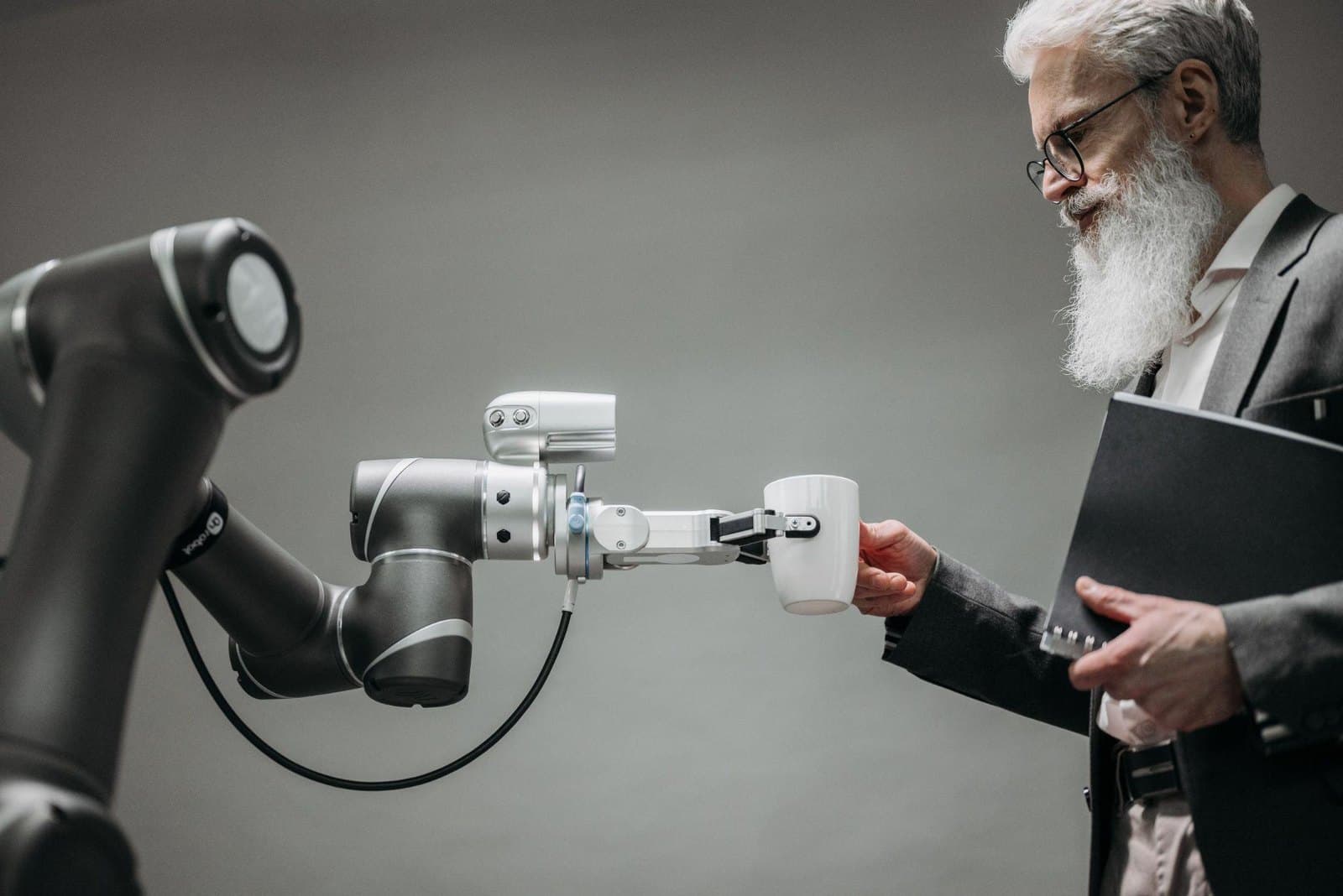
How to Find Robot Failures in Hours of Video
Define what failure means for the task, search the footage for suspected failures with CreativAI, organize the results in Data Plates, then review and tag each attempt before drawing conclusions.
Stephanie ChanRead the article →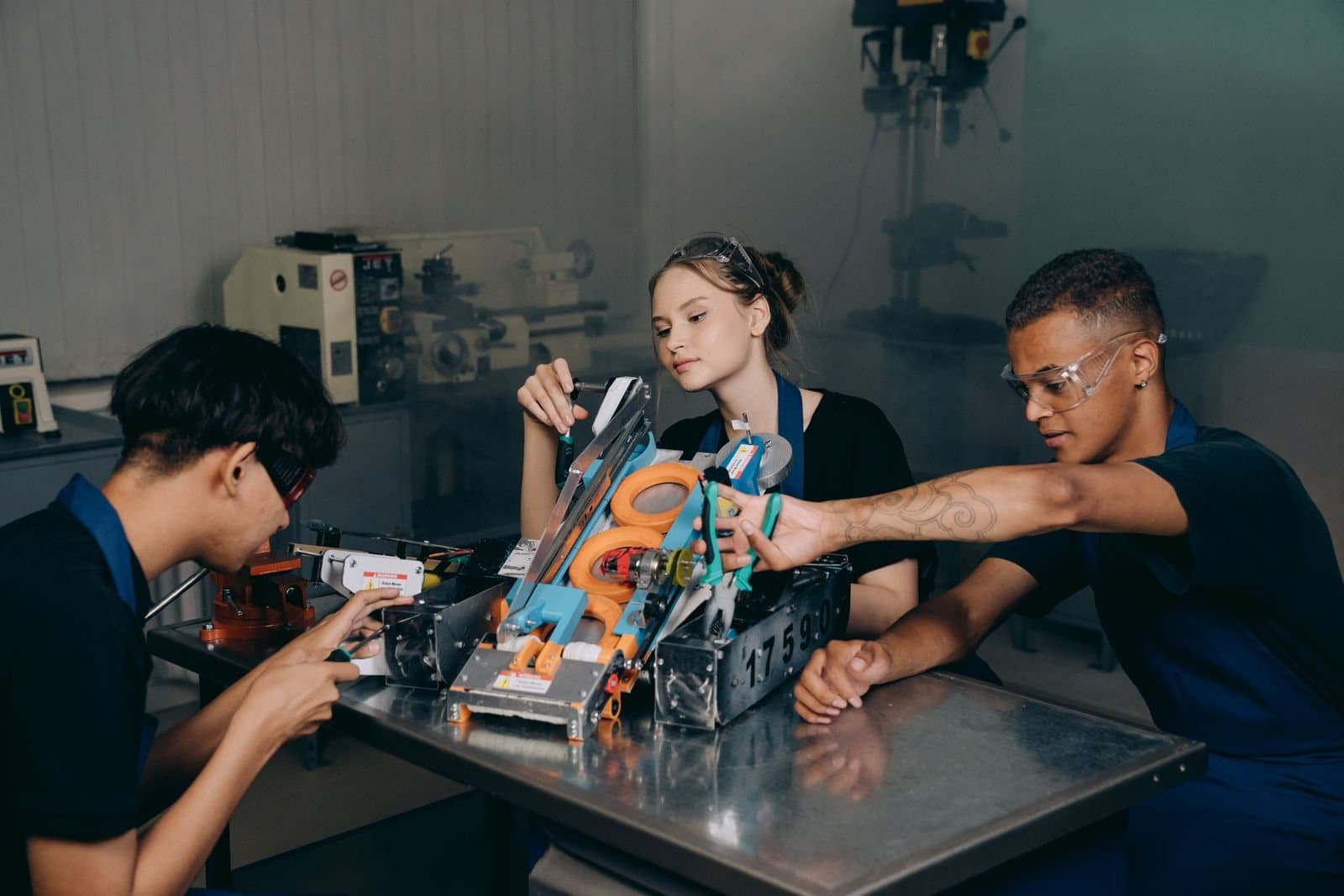
Robot Benchmark Design: How to Build Test Scenarios That Reflect Real-World Robot Performance
A robot is only as well tested as the scenarios it faces. Here's how robotics teams design benchmarks, variations, edge cases, and scoring rules that produce reliable comparisons across policy versions.
Cindy DizonRead the article →
Robot Failure Analysis: How to Identify and Learn From Robot Policy Failures
From detecting failed rollouts to diagnosing root causes, failure analysis helps robotics teams understand what went wrong and improve robot policies.
Cindy DizonRead the article →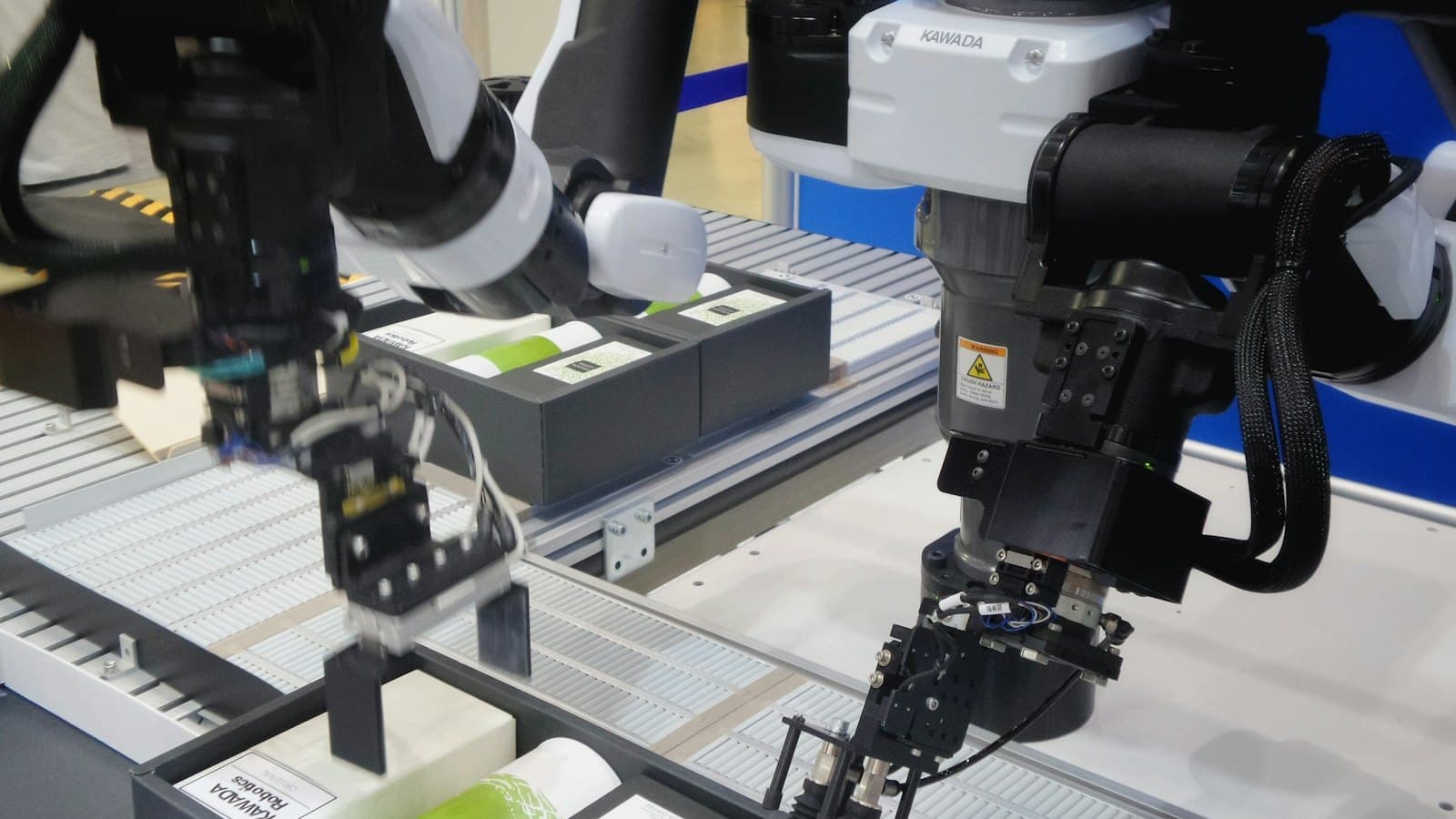
Robot Evaluation and Benchmarking: How Do You Know a Robot Is Actually Getting Better?
Loss curves and simulation scores only tell part of the story. Here's how robot policy evaluation works, and what a trustworthy benchmark looks like.
Cindy DizonRead the article →